I Love Being Sober

Tim Westbrook

Details

Hello my friends, and welcome back to yet another episode of I Love Being Sober brought to you by Camelback Recovery - a proud partner to the most effective way to achieve long term recovery without the pain and suffering and high cost of multiple stints in detox, rehabs, and sober living homes. My name is Tim Westbrook and I am the CEO and Founder of Camelback Recovery here in the always sunny and always sober Scottsdale, Arizona where my team and I over the course of many years have helped thousands of people on their path to long term recovery. I started this show because there is so much misinformation about addiction treatment, mental illness, and addiction recovery in general. There is much more to recovery than just going to inpatient treatment, seeing a therapist, and going to 12 step meetings. Those things are important and AA saved my life. However, to find long term recovery and live happy, joyous and free, there is a lot more to it than just stopping the drinking, stopping the drugs, or stopping any addictive behavior. Sobriety and recovery can and should be fun. That’s not to say that the recovery process is going to be easy and it’s not to say that there won’t be difficult times ahead. However, to live the life that you deserve and for it to be exciting and fun you need new lifestyle habits. New healthy lifestyle habits that promote your mental, spiritual, and physical health. That my friends will lead you to living a KICK ASS SOBER LIFE! Visit CamelbackRecovery.com to learn more about recovery coaching, sober living, and your next step to freedom and happiness.

Recent Episodes

NOV 17, 2026
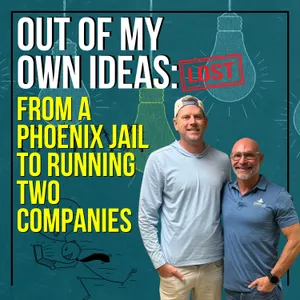
Out Of My Own Ideas: From A Phoenix Jail To Running Two Companies
What happens when you finally run out of your own ideas? For Tyler T., it happened in a bank outside Phoenix on July 13, 2012, an hour after he arrived in Arizona. He grew up in Livermore, California, in a home full of addiction, started drinking and smoking weed in middle school, and by 17 had been expelled, arrested, and sent to a wilderness program in Utah and a 12-step boarding school in Idaho. Five or six treatment centers later, he was 24, detoxing in a Maricopa County jail, with no one in his life and no idea what would happen next. A man who brought an AA meeting into that jail gave him a little hope and, when he got out, a simple question: where have your own good ideas gotten you? Tyler got sober on August 26, 2012, chose sober living over going home, and restarted his life on a street corner in Tempe with a clear plastic bag of clothes. Fourteen years later, he is the CEO of Pinnacle Peak Recovery and the founder and CEO of Kondaro, an operations platform for treatment centers. He joined us live in front of the clients and staff at Camelback Recovery’s outpatient treatment center in Phoenix, Arizona. What we get into: Growing up around addiction Why D.A.R.E. didn’t work on him Powerlessness at a young people’s AA conference Jail, the Big Book, and faith Choosing sober living over going home H&I and sponsorship Why working in treatment is not a recovery program Trauma therapy and codependency Progress, not perfection What families should look for in an addiction treatment center Building a business in sobriety, imposter syndrome, and EO Protecting your recovery while running two companies Fatherhood and coaching his son’s baseball team Having fun sober Steps three, four, and five Accountability and owning your mistakes. ABOUT TYLER T. Tyler T. is the CEO of Pinnacle Peak Recovery in Arizona and the Founder and CEO of Kondaro, an operations platform built to help addiction treatment centers run more efficiently. He has spent more than a decade in behavioral health and has been sober since 2012. A father of two, he still carries meetings into hospitals and detox facilities and sponsors people early in recovery. FIND TYLER: Pinnacle Peak Recovery LinkedIn ABOUT THIS PODCAST Tim Westbrook is the founder and CEO of Camelback Recovery and holds an MS in Addiction Counseling. The I Love Being Sober Podcast records live every Wednesday at 10 AM in front of the clients and staff at our Phoenix outpatient center. Camelback Recovery offers dual diagnosis addiction and mental health treatment in Phoenix, Scottsdale, and Peoria. If drugs, alcohol, or your mental health are running your life, or someone you love is in it, you don’t have to figure it out alone. A conversation could be a reasonable next step: camelbackrecovery.com If you are in crisis or thinking about suicide, call or text 988 in the US, any hour. If someone may be overdosing, call 911. This episode contains strong language and frank discussion of drug use. It is educational content, not medical or legal advice.

55 MIN
NOV 3, 2026
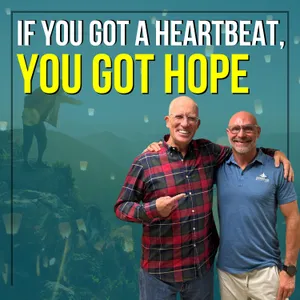
If You Got A Heartbeat, You Got Hope
Tim Ryan didn’t grow up wanting to be an addict. He wanted to be a stuntman and a professional water skier. By 21 he was checking himself into rehab for cocaine. Over the next 32 years he built businesses and burned them down, made half a million dollars a year while crying alone every night, shot heroin in his office in the Wrigley Building, survived eight overdoses, and lost his marriage and his home. In 2012 a judge sentenced him to seven years in prison. In Sheridan Correctional Center, with a cellmate named Big Perk, he finally worked the 12 steps. Twenty one months into his sobriety, his 20 year old son Nick died of a heroin overdose. Tim called his sponsor. Then he told the police not to charge Nick’s friends: “I don’t blame them. I blame the disease of addiction.” Tim is the author of From Dope to Hope, the subject of A&E’s documentary Dope Man, and an interventionist who has led more than 1,500 interventions. He joined us live in front of the clients and staff at Camelback Recovery’s outpatient treatment center in Phoenix, Arizona, and the room opened up like few rooms we’ve had. What we get into: trauma, adoption, and learning disabilities as the roots of addiction the high functioning addict getting sober in prison Big Perk and the prison ministry that changed his life Nick’s death and staying sober through it Narcan and the Good Samaritan law whether it matters why you go to treatment ego, pride, and humility why a good therapist and a great sponsor change everything what’s broken in the treatment and insurance industry why sober living is not treatment what families should look for in a program three kinds of MAT patients his daily routine of prayer, Transcendental Meditation, and a 6 AM men’s meeting interventions and psych holds audience Q&A on hope, community, mental health, grief, and writing down your goals.
82 MIN
OCT 27, 2026
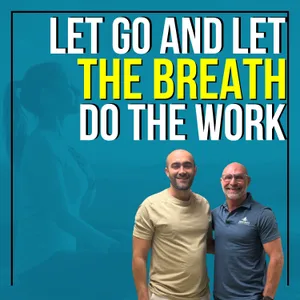
Let Go And Let The Breath Do The Work
You breathe somewhere between 20,000 and 30,000 times a day. Ryan McBurney says most of us are doing it wrong, and it's affecting our anxiety, our sleep, our cravings, and the way we think. Ryan found breathwork through a Wim Hof interview while he was in what he calls an existential depression, searching for meaning and leaning on substances. The first few sessions gave him something he had been reaching for his whole life. In his words, breathwork was "in large part" a gateway to sobriety. He has since trained in seven breathwork programs, studied with breathwork pioneer Dan Brulé, and with his fiancée and business partner Shelby Von Oepen, RN, founded Liquid Breathwork in Phoenix, where they have certified more than 60 facilitators. Recorded live in front of clients and staff at Camelback Recovery's outpatient treatment center in Phoenix, Arizona. What we get into: how Ryan found breathwork why most people overbreathe and mouth breathe the slow, nasal breath Ryan calls optimal the difference between breathing practices and breathwork what makes Liquid Breathwork different the theatrical sigh of relief breathing to wake up versus breathing to wind down humming before bed box breathing "the same sun that melts wax hardens clay" breathwork as a gateway to sobriety what to do with your breath during a craving, using David Hawkins' Letting Go why breathwork can feel like a psychedelic experience without a substance whether anyone can guide breathwork, and how to do it safely what treatment centers should look for in a facilitator audience questions on feeling safe enough to let go, rebirthing breathwork, and how to do circular breathing.
52 MIN
OCT 20, 2026
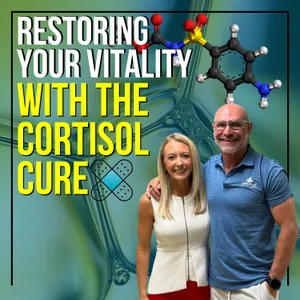
Restoring Your Vitality With The Cortisol Cure
Most of us have heard that cortisol is the stress hormone and the goal is to lower it. Dr. Erin Kinney says that is backwards. Cortisol is your body’s energy currency. It gets you out of bed, handles stress, and helps your body heal. The real problem is running out. At 22, Erin was a marathon runner who gained thirty pounds almost overnight, couldn’t get out of bed, and cried all the time. Labs showed her cortisol was nearly nonexistent. That sent her to naturopathic medicine and, years later, to her Cortisol Bank Account framework: everything you do is a withdrawal, rest is a deposit, and healing only happens when you earn more than you spend. Recorded live in front of clients and staff at Camelback Recovery’s outpatient treatment center in Phoenix, Arizona. What we get into: why cortisol is not the enemy the stress muscle and the relax muscle why Tim wakes up at 2 AM what alcohol and drugs do to your cortisol bank account why anxiety and depression often rise in early sobriety swapping drugs and alcohol for exercise, social media, or gambling caffeine as a credit card the earliest signs of burnout cortisol, hormones, and women in recovery why people feel exhausted even when they’re doing everything right the ten minute “toes up” what a day that supports cortisol looks like when to get labs audience questions on nicotine, chronic pain, thyroid and autoimmunity, and whether remembering hard times stresses the body a live exercise with an imaginary lemon; and Erin’s own story of burning out again in 2021 and how she got better.
51 MIN