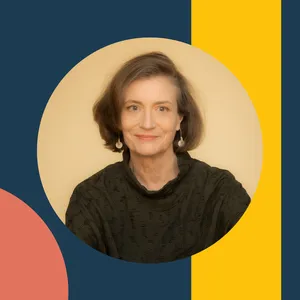
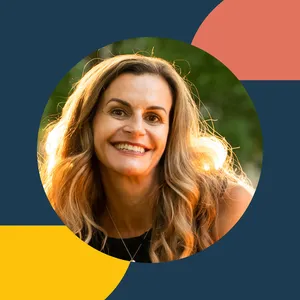
The Pervasiveness of Disordered Eating with Dr. Charlotte Markey
From cutting out sugar to exercising more, many behaviors around food and fitness are praised as “healthy.” But when can healthy intentions become harmful? In this episode of Shadow Playground, Ez Bridgman sits down with body image researcher and psychologist Dr. Charlotte Markey to explore eating disorders, disordered eating and our complicated relationships with food and our bodies. Charlotte explains how our relationship with food changes throughout life. Babies largely respond to hunger and fullness, but as we grow, schedules, social expectations, appearance pressures and countless rules about what we “should” and “shouldn't” eat begin influencing our choices. Together, Ez and Charlotte explore what a healthy relationship with food might actually look like: eating regularly, enjoying a variety of foods, responding to our bodies and maintaining flexibility rather than following rigid rules. They unpack the difference between disordered eating and eating disorders, and why eating disorders don't have one particular look. They can affect people across ages, genders and backgrounds, with behaviors ranging from restriction and dieting to excessive exercise and concerns around muscularity. Dr. & Ez The conversation also explores how seemingly “healthy” behaviors can gradually become harmful. Going to the gym can become compulsive exercise. Cutting out one food can become eliminating more and more foods. What begins as an attempt to improve health or appearance can eventually consume significant mental space and interfere with living a full life. Charlotte discusses the many factors that can contribute to eating disorders, including genetics, personality, family socialization, cultural beauty standards and the desire for acceptance and belonging. They also examine the changing conversation around body size and weight-loss medications, including the tension between their legitimate medical uses and cultural pressure to treat certain bodies as problems that need fixing. Finally, Charlotte discusses recovery, why professional support is often essential, and how friends, parents and educators can respond when they're concerned about someone's relationship with food. IN THIS EPISODE: • What a healthy and flexible relationship with food can look like • The difference between disordered eating and eating disorders • When “healthy” habits can become harmful • Why eating disorders can affect anyone • How genetics, personality and socialization influence risk • How cultural beauty standards shape our relationship with food • Weight-loss medications and changing attitudes toward body size • Why nourishment matters for physical and mental health • What eating disorder recovery can involve • How to support someone you're concerned about • How parents can encourage healthier relationships with food and bodies • Why education and media literacy matter Rather than giving us another set of rules about what we should or shouldn't eat, this conversation returns to one central idea: flexibility. Can we listen to our bodies, question the messages surrounding us and create relationships with food that leave space for a full and meaningful life? ABOUT DR. CHARLOTTE MARKEY Dr. Charlotte Markey is a psychologist, body image researcher and author who leads the Healthy Development Lab. Her work explores body image, eating and health across different stages of life. V10 LIFE DESIGN Interested in designing an enlivening life, with space for both joy and shadow? Visit V10 Life Design to learn more.