Cradle Podcast: Baby loss & pregnancy choices

Cradle Charity

Details

Welcome to The CRADLE Podcast. We are a supportive, honest space dedicated to conversations around pregnancy loss and pregnancy choices. CRADLE is a UK national charity working alongside the NHS to ensure no one navigates baby loss or difficult pregnancy decisions alone. Hosted by BBC TV and radio presenter Kay Crewdson, who shares from her own personal experience of loss, this podcast extends that circle of care directly to you, where ever you are. In each episode, we explore the deep realities of baby loss and reproductive healthcare. You’ll hear: Personal & Family Stories: Brave, lived experiences from parents, partners, friends, and family. Healthcare Professionals: NHS staff and specialists sharing insights and how they’ve integrated CRADLE services into patient care. Workplace Advocates: Employers taking meaningful steps to support employees through pregnancy loss. We’re going to cry, but there will also be moments of warmth, hope, and laughter. Most importantly, you will find support, because the most important part of being together is knowing you are never alone. Connect with us: cradlecharity.org

Recent Episodes

NOV 10, 2026
Miscarriage Care: How Listening to One Woman Changed the NHS
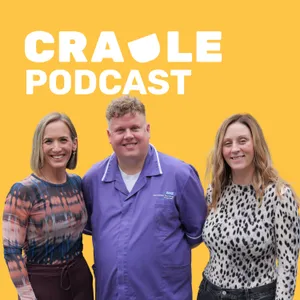
After a difficult experience on an early pregnancy unit, Sam sent a formal complaint, and the hospital did something unexpected. Instead of a standard reply, they invited her in to talk. WARNING: This episode includes a detailed, first-person account of a miscarriage and you may find this episode triggering. Please look after yourself while listening. We're always here to help, contact us at cradlecharity.org Kay is joined by Sam Aldcroft and David Styles, matron of gynaecology services at Lancashire Teaching Hospital, who oversees the early pregnancy unit. They talk about how one honest conversation led to a redesigned waiting area, an end to the “check in downstairs” rule, extra staffing and training and a new bereavement nurse, with Sam helping to choose her. In this episode Why language matters when a baby is lost, and what Sam wished had been said What it was like for David to read the complaint and then hear it in Sam’s own voice Caring for NHS staff who carry other people’s grief How patients can shape services, from interview panels to leaflets Sam’s advice for anyone going through pregnancy loss CHAPTERS 00:00 Welcome 01:52 Sam’s story begins 03:44 The “production line” explanation 04:59 Miscarriage at the hospital 08:13 Questions about remains and the memory box 10:58 The complaint, and the unexpected phone call 12:38 The meeting in Preston 13:51 David’s perspective 19:24 Why the unit was already ready for change 22:06 What Sam expected, and how the meeting felt 25:13 From one meeting to a partnership: the refurbishment, staffing, and no more checking in downstairs 28:43 Sam joins the interview panel for the bereavement nurse 32:12 Looking after the team 35:31 What the service could look like in five years 37:12 Rethinking the information leaflet 38:18 What Sam wishes had happened 39:42 Later losses and the support that followed 43:50 Coming full circle: presenting together at the conference 44:26 Sam’s advice for anyone going through loss Support If you or someone you love has experienced baby loss, visit the Cradle website for weekly support groups, one-to-one support, and more. You are not alone. https://cradlecharity.org/
46 MIN
OCT 27, 2026
Navigating Miscarriage: Healing, Fear, and Relationships
What happens after a miscarriage? Not just in the days immediately afterwards, but months and years later. What happens to the guilt? The anger? The fear of getting pregnant again? And what happens when everyone else seems to expect you to simply carry on? Kay talks to Clare Campion about losing her baby to miscarriage and the impact that loss had on her life for more than a decade. Clare talks openly about the shock of discovering there was no heartbeat, the experience of going through miscarriage treatment in a maternity hospital surrounded by pregnant women, and the anger and isolation that followed. She also talks about the guilt that can come with baby loss; the desperate search for something you might have done to cause it and why none of it was her, or your fault. Clare also talks about: · Reaching a point where she realised she couldn't keep holding everything together, eventually seeking counselling and later undergoing EMDR therapy. · She explains why she avoided talking about her miscarriage even in therapy, and how, more than ten years after her loss, she finally began to process what had happened. · The loneliness of miscarriage and why baby loss can be particularly difficult to grieve when there are so few physical memories. · How fear can replace excitement in a subsequent pregnancy, the anxiety she experienced, the repeated private scans she paid for because she needed reassurance, and how difficult it was to relax even after her daughter was born. · What happens to relationships, both friendship and partners, after baby loss. · The things people say after miscarriage, and why simply sitting with someone, listening and staying present can mean far more than trying to find the perfect words. If you've experienced miscarriage or baby loss, and you feel like you need to talk. We are here. Ready to listen. https://cradlecharity.org/
51 MIN
OCT 13, 2026
17 Miscarriages, five losses and still finding hope
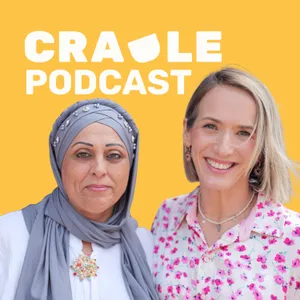
Pregnancy and baby loss are rarely discussed openly, but within the South Asian community, cultural stigma, expectations of hidden grief, and traditional silence can make an already tragic journey feel intensely isolating. In this episode of Cradle, Kay talks to Imtiaz Fizal, who shares her extraordinary story of grief, endurance but also hope. Having lost five children to a rare genetic condition and experienced 17 miscarriages over two decades, Imtiaz reflects on navigating deep personal sorrow without a space to speak about it. She talks about the harsh contrast between cultural expectations around mourning, like being excluded from cemetery burials and being expected to move on after five days. But she also talks about an issue anyone faces after baby loss; the reality of living with lifelong grief. Tragically she has also had to support her own daughter through loss, which has reopened past wounds. But now dedicates her life to breaking down barriers for other women and families in her community. Key Themes The Reality of Multiple Losses: Imtiaz recounts her journey through 17 miscarriages and the loss of five children to a recurring genetic disorder. Cultural Stigma and Hidden Grief: How traditional expectations in the South Asian community often restrict open conversations about baby loss and emotional processing. Gender Divide in Mourning: The distinct cultural rules separating men and women during funerals, burials, and grieving periods. Intergenerational Trauma: The emotional impact of supporting her rainbow baby daughter through her own experience with miscarriage. Peer Support as Healing: Turning two decades of isolation into community action by building safe spaces for women and men to share their stories. Episode Timestamps 00:00 – Welcome to Cradle: Kay Crewdson on navigating baby loss and finding community. 01:25 – Imtiaz’s story: Recounting the loss of five children and a rare genetic diagnosis. 03:20 – Navigating 17 miscarriages and welcoming two rainbow babies. 04:09 – "Shush and keep it to yourself": Cultural silence in the South Asian community. 07:40 – The day of the funeral: Traditional rules, gender separation, and cemetery exclusions. 11:05 – The "five-day rule": How short mourning periods leave parents to grieve alone. 14:47 – Finding the strength to try again amidst repeated heartache. 18:42 – Reopening the box: Watching her daughter face baby loss and supporting her through it. 25:00 – Dark moments, mental health struggles, and finding a reason to keep going. 26:16 – How men grieve in silence: Cultural expectations placed on husbands. 33:00 – A daughter's goodbye: The night Imtiaz’s infant son passed away at home. 38:35 – Turning pain into purpose: Community work, breaking taboos, and helping others heal. 48:45 – Closing thoughts and resources for support via Cradle Charity. LINKS If you or someone you know has been affected by any of the themes discussed in this episode, support is available: Cradle Charity: Access 1-to-1 support, peer groups, and counsellor-led sessions at cradlecharity.org.

50 MIN