From Recovery to Wellness | Life After Heart Surgery, Aneurysm Repair & Cardiac Healing

Arnita M. Williams

Details

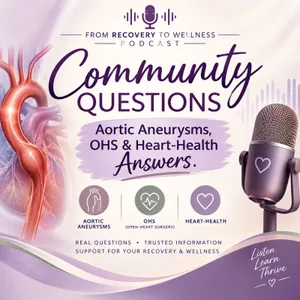
From Recovery to Wellness | Life After Heart Surgery, Aneurysm Repair & Cardiac Healing is a gentle, informative podcast for heart surgery and aneurysm survivors, caregivers, and anyone rebuilding their health after a major medical event. Hosted by Arnita M. Williams, each solo episode covers thoughtful conversations and practical insights drawn from lived experience, research, and everyday wellness practices that support recovery and long-term heart health. Episodes explore topics such as post-surgery adjustment, emotional well-being, sleep, safe movement, plant-based nutrition, and building sustainable wellness habits — all without overwhelm, judgment, or medical advice. You’ll also hear two signature segments: Food of the Week, highlighting simple, nourishing, plant-forward foods that support healing Did You Know?, sharing empowering health and wellness insights to help you better understand your body Whether you’re in the early days of recovery or learning how to live well beyond surgery, From Recovery to Wellness meets you where you are — with compassion, clarity, and hope for what comes next. Also listen on: Apple Podcasts Spotify Amazon Music Fountain.fm Castamatic Castro.fm Pocket Casts Podcast Addict Podcast Guru TrueFans

Recent Episodes

OCT 15, 2026
Can You Feel High Blood Pressure Symptoms in Everyday Life, or Is It Always Silent?
Got something to say to this podcast? Send a voicemail, and you might hear yourself on the next episode! Many people have heard high blood pressure called the "silent killer," but is it truly symptom-free? In this episode of From Recovery to Wellness, we explore what the medical community says about hypertension, why most people do not experience symptoms, when warning signs may occur, and why regular blood pressure monitoring remains one of the most important tools for protecting long-term heart health. Sources • American Heart Association: High blood pressure is often called the "silent killer" because most people have no symptoms. • Mayo Clinic: Most people with hypertension have no symptoms, even when blood pressure is dangerously high. • American Heart Association: Symptoms such as chest pain, shortness of breath, vision changes, weakness, numbness, or difficulty speaking may occur during a hypertensive emergency. Sources for Pumpkins & Gourds American Heart Association: Heart-healthy dietary guidance and vegetable nutrition resources. American Heart Association: "Warm Up to Tasty and Nutritious Winter Squash." American Heart Association Healthy for Good™: Pumpkin nutrition information. USDA Agricultural Research Service: Research on pumpkin carotenoids and beta-carotene content. These sources support the claims that pumpkin and related winter squashes provide fiber, potassium, beta-carotene, and other nutrients that fit well within a heart-healthy eating pattern.
10 MIN
OCT 1, 2026
What Actually Causes an Aortic Aneurysm to Grow and What Factors Slow It Down?
Got something to say to this podcast? Send a voicemail, and you might hear yourself on the next episode! Welcome to Season 4 of From Recovery to Wellness — a special series featuring evidence-based answers to questions commonly asked in aneurysm, open-heart surgery, and cardiovascular disease communities. In this episode, we explore one of the most frequently asked questions among survivors and caregivers: What actually causes an aortic aneurysm to grow? We discuss the factors that researchers and cardiovascular specialists have identified as contributors to aneurysm growth. We also explain the unpredictability of aneurysm growth and the importance of regular surveillance imaging as an important part of long-term care. In this episode, we will discuss: The effects of high blood pressure on the aortic wall What inflammation does to blood vessels What smoking and tobacco do to aneurysm progression Why genetics matter for some individuals Why aneurysms can grow at different rates from person to person The importance of regular CT scans, MRI scans, and echocardiograms What healthy lifestyle habits may help support long-term cardiovascular health We will also cover: Did You Know? An interesting and true health fact. Food of the Week A plant-based whole food, the nutrients it provides, and what part(s) of your body it benefits. Research Takeaway Current cardiovascular guidelines and the most appropriate treatment plan. Key Reminders Facts regarding: Lifestyle changes do not reverse an aneurysm once it has formed. However, managing blood pressure, avoiding tobacco, staying physically active within your physician's recommendations, and following a heart-healthy eating pattern may help reduce cardiovascular strain and support overall vascular health. Reflection Question A question to ponder as it relates to your aortic aneurysm, open-heart surgery, or your general heart health. Resources For more information about aortic aneurysms and aortic disease, visit: • American Heart Association – Aortic Aneurysm Information • American Heart Association – Aorta Health Resources • ACC/AHA Aortic Disease Guidelines Overview Connect With Wellness By Words Follow From Recovery to Wellness for new episodes each week. This podcast is intended for educational purposes only and should not be considered medical advice. Always consult your healthcare provider regarding your personal medical situation. Until next time, remember: Recovery is a journey. Wellness is the destination we continue pursuing every day.
13 MIN