The Physical Cut

Krloz Ruben | The Physical Cut

Details

The Physical Cut is a podcast about physical media, movie collecting, and the culture behind Blu-ray, 4K Blu-ray, and boutique labels like Criterion Collection, Arrow Video, and more. Hosted by Krloz Ruben, each episode explores film preservation, collector culture, limited editions, restorations, and the stories behind the movies we choose to own in a streaming-first world. From deep dives into boutique Blu-ray releases to conversations about physical media collecting, film preservation, horror, and home video history, The Physical Cut celebrates the collectors, creators, and community keeping physical media alive.

Recent Episodes

NOV 18, 2026
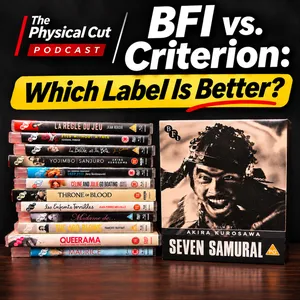
BFI vs. Criterion: Which Boutique Label Is Better?
Are you enjoying The Physical Cut? Send a voicemail! Tell me about your favorite films, you might hear yourself on the next episode! Is BFI better than Criterion? Let's take a closer look. In this episode of The Physical Cut, I'm stepping over to my BFI collection and looking at what makes the British Film Institute such an interesting name in physical media. While Criterion gets plenty of attention in the US, BFI has become one of my favorite labels to explore, especially when it comes to finding great editions at more affordable prices. From beautiful packaging and substantial booklets to restorations, special features, and overall value, BFI has given me plenty of reasons to choose its releases over some Criterion editions. I'll walk through titles from my collection, discuss a couple of direct comparisons, and explain why BFI deserves more attention from physical media collectors. This isn't about dismissing Criterion. I have a much larger Criterion collection, and both labels have a lot to offer. But BFI brings something special to the table; not only through its home-video releases, but also through its work in film preservation, education, and cinema. In this episode: Why I've been collecting more BFI releases BFI and Criterion: packaging, booklets, and special features The appeal of BFI's more affordable releases and UK sales Comparing editions of The Rules of the Game and Eyes Without a Face A look at releases including Seven Samurai, Throne of Blood, The 400 Blows, Maurice, Deep End, and more BFI's role in film preservation, education, and cinema culture Which label gets my vote? Are you Team BFI or Team Criterion? Do you collect both? Let me know which editions you prefer, which covers you like better, and whether you've found a BFI release that deserves more attention. If you enjoy conversations about physical media collecting, boutique Blu-ray and 4K releases, film preservation, and movie culture, follow The Physical Cut, leave a review, and share the episode with a fellow collector. Website: https://krpodlab.com Instagram: https://www.instagram.com/thephysicalcutpod/ Check the video version out on YouTube! Documenting the people, stories, and culture behind physical media.
42 MIN
NOV 4, 2026
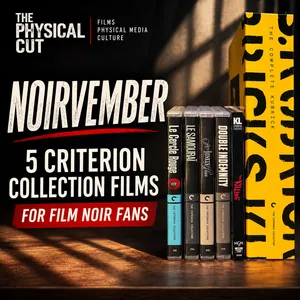
Noirvember: 5 Criterion Collection Films for Film Noir Fans | Bonus Cut
Are you enjoying The Physical Cut? Send a voicemail! Tell me about your favorite films, you might hear yourself on the next episode! Film noir is more than shadows, detectives, and femme fatales. It's about flawed characters, questionable decisions, obsession, betrayal, and the consequences that follow. For Noirvember, Krloz brings five films from his collection to the conversation, exploring different sides of noir and crime cinema. From the foundations of classic Hollywood noir to Jean-Pierre Melville's distinctive French crime films, this selection offers a look at how filmmakers approach crime, morality, and human nature. These aren't necessarily the five definitive noir films. They're five personal recommendations and, in some cases, stepping stones into a genre worth exploring further. The five films featured: Double Indemnity (1944) – Billy Wilder's classic tale of greed, manipulation, and terrible decisions, featuring an unforgettable performance by Barbara Stanwyck. In a Lonely Place (1950) – Nicholas Ray's psychological character study starring Humphrey Bogart, exploring anger, isolation, and the darkness beneath the surface. The Killing (1956) – Stanley Kubrick's meticulously constructed crime thriller, where an elaborate racetrack robbery encounters the unpredictability of human nature. Le Samouraï (1967) – Jean-Pierre Melville's atmospheric French crime film starring Alain Delon as a contract killer governed by his own personal code. Le Cercle Rouge (1970) – Melville returns to the criminal underworld with a carefully constructed story of loyalty, discipline, and an unforgettable jewel heist. Along the way, we discuss what makes these films work, the performances and filmmaking that stood out, and how noir evolves from classic Hollywood to French crime cinema. A few questions from this Noirvember conversation: What makes Double Indemnity such an enduring blueprint for film noir? Can we separate Dixon Steele's creative brilliance from the damage he inflicts on others? Is The Killing ultimately about a robbery or the unpredictability of human behavior? How much of Jef Costello's identity comes from his profession and personal code? Does loyalty and integrity exist even in a world built around crime? Follow The Physical Cut Instagram: @thephysicalcutpod Website: KR PodLab – https://krpodlab.com The Physical Cut | Films | Physical Media | Culture
19 MIN
OCT 31, 2026
10 Criterion Films Worth Buying During the November Barnes & Noble Sale | Bonus Cut
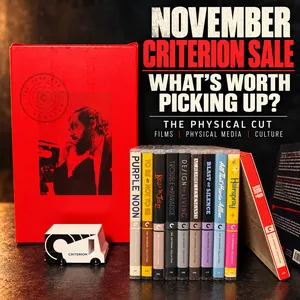
Are you enjoying The Physical Cut? Send a voicemail! Tell me about your favorite films, you might hear yourself on the next episode! The November Barnes & Noble Criterion Collection sale is here, and I've got 10 more films I'd recommend adding to your physical media collection. This time, I'm going beyond the usual Criterion essentials to highlight some personal favorites, overlooked gems, international cinema, classic Hollywood, and films that deserve a little more attention from collectors. From Douglas Sirk's breathtaking melodrama All That Heaven Allows to John Waters' outrageous Hairspray, these are films I genuinely love and believe are worth owning. We'll revisit the brilliance of Ernst Lubitsch with three recommendations: Trouble in Paradise, Design for Living, and To Be or Not to Be. We'll also explore the dark holiday atmosphere of Blast of Silence for Noirvember, the timeless relevance of Louis Malle's Au Revoir les Enfants, and the hypnotic worlds of Luis Buñuel's Belle de Jour and Michelangelo Antonioni's Blow-Up. And, of course, we can't leave out René Clément's Purple Noon, featuring an unforgettable Alain Delon performance. In this episode, we're discussing: All That Heaven Allows (1955) – Douglas Sirk Hairspray (1988) – John Waters Blast of Silence (1961) – Allen Baron Au Revoir les Enfants (1987) – Louis Malle Belle de Jour (1967) – Luis Buñuel Purple Noon (1960) – René Clément Blow-Up (1966) – Michelangelo Antonioni Design for Living (1933) – Ernst Lubitsch Trouble in Paradise (1932) – Ernst Lubitsch To Be or Not to Be (1942) – Ernst Lubitsch Plus, a bonus conversation about The Complete Stanley Kubrick box set and whether it's worth the investment for collectors. Whether you're a longtime Criterion collector or just starting to build your Blu-ray and 4K library, hopefully you'll find something new to add to your November wishlist. What are you picking up during the Barnes & Noble Criterion sale? Let me know which of these films you own, which ones you're considering, and whether you agree with my recommendations. Follow The Physical Cut on Instagram: @thephysicalcutpod Visit KRPodLab.com and leave a voicemail or share your thoughts on the episode.
20 MIN
OCT 23, 2026
Horror Monsters, VHS Nostalgia & the Movies That Stuck With Us | with Face the Movies
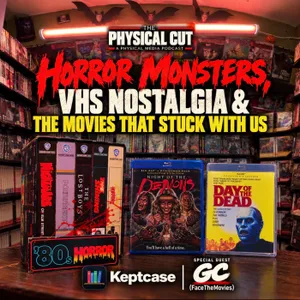
Are you enjoying The Physical Cut? Send a voicemail! Tell me about your favorite films, you might hear yourself on the next episode! What makes a great horror monster? From classic Universal creatures to the practical effects and unforgettable designs of '70s, '80s, and '90s horror, we're getting into the monsters that made us fall in love with the genre. This week on The Physical Cut, Krloz is joined by GC from Face the Movies, host of Friday Night FRIGHT Night Podcast and creator of KeptCase, a collection-tracking app for physical media lovers. Together, they explore what separates a monster from a villain, the artistry of practical creature effects, and why horror classics like The Thing, The Fly, Pumpkinhead, Candyman, and The Blob continue to stand out. From childhood memories of renting horror movies on VHS to the nostalgia of revisiting these films on physical media, this conversation celebrates the creatures, craftsmanship, and moviegoing experiences that keep horror fans coming back. In this episode: Classic Universal monsters and their influence on horror cinema The best horror monsters of the '70s, '80s, and '90s Practical effects, creature design, and body horror Alien, The Thing, The Fly, Pumpkinhead, Candyman, and more Monster vs. villain: what separates the two? VHS nostalgia and the experience of discovering horror movies Physical media editions and the horror collections we'd love to see Halloween movie recommendations CONNECT WITH GC & FACE THE MOVIES Face the Movies — YouTube and Instagram: @FaceTheMovies KeptCase — Track your physical media collection: https://keptcase.app KeptCase on Instagram: @KeptCase Friday Night FRIGHT Night Podcast — Available on Spotify and Apple Podcasts SUPPORT THE PHYSICAL CUT! Follow The Physical Cut on Instagram: @the_physical_cut_pod Visit https://krpotlab.com for more about the show, leave a review, and send a voicemail. If you enjoy conversations about horror movies, film culture, physical media collecting, boutique Blu-ray labels, VHS, DVD, and 4K releases, subscribe to The Physical Cut and share this episode with a fellow horror fan.

82 MIN
OCT 16, 2026
The Sequence: Inside the Making of an Horror Short Film with Joe Bandelli | & Hell House LLC 10th Anniversary
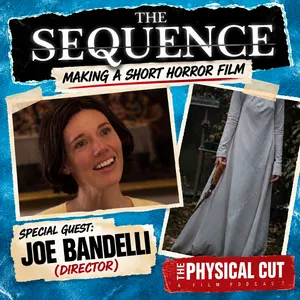
Are you enjoying The Physical Cut? Send a voicemail! Tell me about your favorite films, you might hear yourself on the next episode! What makes a horror film genuinely unsettling? Sometimes, it’s not the monster or the jump scare, but the fear of what might happen next. On this episode of The Physical Cut, I’m joined by filmmaker Joe Bandelli, director of the upcoming horror short The Sequence, to talk about creating tension, psychological horror, and the filmmaking choices that make a story stick with you. We get into the film’s unnerving atmosphere, its use of sound design, color, camera movement, and pacing, and how a short film can pack so much emotion into just 14 minutes. We also talk about Joe’s journey through independent filmmaking, from producing and stepping into the clown suit for Hell House LLC to directing his own stories, collaborating with writers, and learning when less is more. Plus, we discuss the enduring cult following of Hell House LLC, its upcoming theatrical release, and why experiencing horror on the big screen still matters. In this episode: The origins of The Sequence and bringing a vivid nightmare to life Psychological horror, family, grief, and the importance of communication Building tension through sound design, cinematography, color, and editing The challenges of directing a tightly paced independent short film Joe Bandelli’s work on Hell House LLC and the franchise’s lasting legacy The future of The Sequence and its potential feature-length expansion Advice for independent filmmakers: trust your instincts and tell the stories you want to see Connect with Joe Bandelli: Instagram: @thechosenjoey Watch The Sequence: The short film is scheduled for release on YouTube through Red End Productions on October 22. Follow us on Instagram at @thephysicalcutpod And visit krpodlab.com for more from the show, including ways to support the podcast through the TPC Support subscription. If you enjoy this episode, follow and share The Physical Cut, leave a review, and send the show to a fellow horror fan or physical media collector.
49 MIN