


52 Weeks of Hustle
Blue Wire
52 Weeks of Hustle - The First Post-Diamond World Series
OCT 28, 202623 MIN
Description
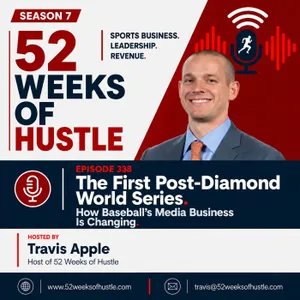
⚾🎙️ New Episode Alert — “The First Post-Diamond World Series: How Baseball's Media Business Is Changing”
The Milwaukee Brewers and Tampa Bay Rays are giving us a World Series that goes well beyond what is happening on the field.
Two smaller-market teams. A changing television landscape. And some pretty impressive viewership numbers.
This week on 52 Weeks of Hustle, I'm breaking down one of the biggest changes happening in baseball: the collapse of the traditional Regional Sports Network (RSN) model and what MLB is doing to replace it.
⚾ 3 Hustle Hot Topics:
📺 The Fall of Regional Sports Networks — How we went from Bally Sports and FanDuel Sports Network to MLB taking more control of local broadcasts.
📈 The Ratings — Approximately 12.2 million viewers for Game 1 nationally, plus a 33.9 local rating and 70 share in Milwaukee. Pretty impressive numbers for a World Series featuring two smaller-market teams.
💰 The Future of Local Media — What MLB's new approach means for teams, sponsors, revenue opportunities, and the way fans watch games.
One of my biggest takeaways is that you don't necessarily need the biggest markets to create a great sports business story.
I'm curious what everyone thinks. Are leagues better off controlling their own local media rights and distribution, or was the traditional RSN model better for teams and fans?
Hosted by Simplecast, an AdsWizz company. See https://pcm.adswizz.com
for information about our collection and use of personal data for
advertising.