


A Book with Legs
Smead Capital Management
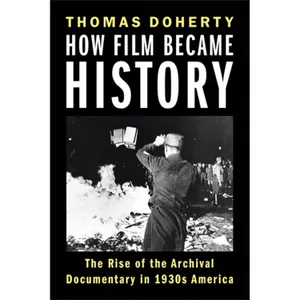
Thomas Doherty - How Film Became History: The Rise of the Archival Documentary in 1930s America
NOV 16, 202666 MIN
Description
In this episode of A Book with Legs, Cole Smead, CEO and Portfolio Manager at Smead Capital Management, sits down with Thomas Doherty to discuss his book, "How Film Became History: The Rise of the Archival Documentary in 1930s America."
Thomas Doherty is a professor of American Studies at Brandeis University, the film review editor for the Journal of American History and an associate editor at Cineaste. He is one of the leading historians of the American film industry and the politics that shaped it. His previous books, all from Columbia University Press, include “Pre-Code Hollywood,” “Hollywood’s Censor: Joseph I. Breen and the Production Code Administration,” “Hollywood and Hitler, 1933 to 1939” and “Show Trial: Hollywood, HUAC, and the Birth of the Blacklist.”
The conversation starts with a 1937 screening of "Tsar to Lenin," where socialist leader Angelica Balabanoff saw herself on screen beside Lenin and ran out of the theater. Topics include how a growing backlog of film and the arrival of the narrative voiceover created the archival documentary in the 1930s, the collectors like Herman Axelbank who saved footage the studios didn't, and the all-newsreel theaters that served as the cable news of their day. Doherty also covers Laurence Stallings and Truman Talley's "The First World War," Cornelius Vanderbilt Jr.'s "Hitler's Reign of Terror," which resurfaced decades later in a Belgian film archive, and the patchwork of local censorship boards that pushed Hollywood to regulate itself.
Through a business and markets lens, Cole and Thomas discuss what an archive is worth, from studios that once burned old film to save on storage to today's view of that footage as priceless content. They look at how exhibitors kept controversy out of newsreels to avoid upsetting paying audiences, why the woman on a 1930s date usually picked the movie, and why so much of what we know about history depends on what was filmed and what was left out. They also discuss "false screen memory," where audiences backdated footage they only saw later, and how investors tend to distance themselves from painful chapters like the dot-com bubble.
"How Film Became History: The Rise of the Archival Documentary in 1930s America," published by Columbia University Press, is available now: https://cup.columbia.edu/book/how-film-became-history/9780231565981/
Follow Thomas Doherty's writing at The Hollywood Reporter: https://www.hollywoodreporter.com/author/thomas-doherty/
Follow Thomas Doherty's writing at Tablet Magazine: https://www.tabletmag.com/contributors/thomas-doherty
Sign up to be notified about new episodes: https://hubs.ly/Q0452V800