



Straight to the Pool Room: The Castle (1997)
OCT 20, 202665 MIN
Description
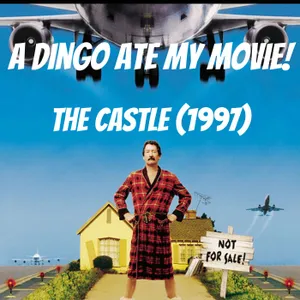
A house next to an airport, a backyard full of cars, and a dad who can find “serenity” under power lines somehow became one of the most heartfelt crowd-pleasers in Australian cinema. We’re talking about The Castle (1997), and we’re not just trading quotes.
We’re getting into why this Working Dog Productions classic still feels like a warm hug, even when the story turns into a legal fight over compulsory acquisition and corporate pressure. We break down what makes the Kerrigans so easy to love: Dale’s earnest narration, Daryl’s relentless optimism, and the family’s pride in their modest life.
Along the way we hit the deep-cut trivia, including release formats and remasters, the film’s surprisingly strong ratings, cast highlights like Michael Caton and the brilliant Tyrrell Mora as Dennis Denuto, plus how Working Dog’s TV comedy roots helped shape the tone.
We also talk about how the movie echoes real Australian legal and cultural touchpoints, from land rights headlines to the famously unexplainable “vibe” that somehow says exactly what fairness feels like.
Then we go full fan mode: the most quotable lines, the pool room mythology, the soundtrack moments, and the big argument every Aussie movie lover eventually has, whether The Castle is the best Australian film of all time or simply the most iconic. We even touch on the stage play buzz and what it says about the story’s staying power.
If you love Australian films, Working Dog comedy, or movies that make you laugh and care at the same time, hit play, subscribe, and share it with a mate.
Hit me up and let me know what quote from The Castle do you use most in real life?
Like what you're hearing? Let us know!
Support the show
A Dingo Ate My Movie Socials:
Bluesky
Facebook
Instagram
Letterboxd
Email
Music from the movies featured on the podcast:
Spotify
Apple Music
Support Me At BuyMeACoffee
Please note that this podcast often explores topics and uses language from past eras. This means that some of the discussions may include attitudes, expressions, and viewpoints that were common in those times but may not align with the standards and expectations of our society today. We'd like to ask for your understanding as we navigate these historical contexts, which are important to appreciate the era we're discussing fully.