Better Buildings For Humans

BBFH is hosted by Joe Menchefski and powered by Advanced Glazings, Ltd.

Details

Welcome to the BBFH podcast. More often than not, when we think about health and wellness, our thoughts turn to diet and exercise. However, most of us spend two-thirds or more of our day inside buildings. The quality of the environment in those buildings has been proven to have a dramatic impact on our well being and our productivity, both at work and at home. There is little discussion about this in the mainstream media. It’s time to start a public dialogue about how we are affected by the buildings where we live, work and play. Thanks for listening! https://bbfhpod.advancedglazings.com/

Recent Episodes

NOV 11, 2026
Your Building Could Be Wasting Energy Every Day — And AI Might Be the Answer — Episode 162 with Alaric Venne
In this episode of Better Buildings for Humans, host Joe Menchefski sits down with Alaric Venne of BrainBox AI for a fascinating conversation about how artificial intelligence is changing the way buildings operate. Coming from a business background rather than traditional HVAC engineering, Alaric brings a different perspective to an industry increasingly shaped by technology, automation, and sustainability. Together, they explore what happens when buildings begin learning from their own behaviour—and how that could change the way we think about energy efficiency, comfort, and building management. The conversation explores the difference between traditional building controls and AI-powered systems that can anticipate changing conditions rather than simply react to them. Joe and Alaric discuss how buildings can learn from patterns in weather, occupancy, and equipment performance to make smarter decisions throughout the day. They also examine the growing role of predictive technology in reducing energy consumption, improving indoor comfort, and helping buildings operate more efficiently without requiring constant human intervention. They also dig into the practical challenges of bringing AI into existing buildings, particularly those with older HVAC systems and outdated controls. From integrating different technologies to maintaining human oversight, the discussion raises important questions about trust, reliability, and how much control we should give artificial intelligence. Along the way, Alaric introduces BrainBox AI's ARIA platform, an AI-powered assistant designed to help facility managers navigate the increasingly complex world of building operations. Ultimately, the episode looks beyond the excitement surrounding artificial intelligence to consider what smarter buildings could actually mean for the people inside them. Can technology help create environments that are more comfortable, efficient, and sustainable without losing the human element? It's a conversation about innovation, trust, and the future of buildings that don't just respond to our needs—but begin anticipating them. More About Alaric Venne Alaric Venne has been tightly connected with Brainbox AI since its inception in 2017. He currently serves as a technical consultant for Trane Canada's portfolio. Alaric works closely with Trane Technologies to integrate innovative solutions that reduce operational costs and improve energy efficiency. With a strong background in the commercial sector and deep expertise in cutting-edge technologies, he is recognized for his commitment to sustainability and innovation. His work contributes to transforming the building control market. CONTACT: https://brainboxai.com/en/ https://www.linkedin.com/in/alaric-venne/ Where To Find Us: https://bbfhpod.advancedglazings.com/ www.advancedglazings.com https://www.linkedin.com/company/better-buildings-for-humans-podcast www.linkedin.com/in/advanced-glazings-ltd-848b4625 https://twitter.com/bbfhpod

32 MIN
NOV 4, 2026
Sustainable Buildings Don't Need to Look Green — They Just Need to Work — Episode 161 with Guy Geier
In this episode of Better Buildings for Humans, host Joe Menchefski sits down with Guy Geier, Senior Partner at FXCollaborative, for a fascinating conversation about how architecture can shape the way people work, interact, and experience the spaces around them. With a career spanning nearly five decades, Guy brings a wealth of experience in architectural design, workplace strategy, sustainability, and firm leadership. From his early fascination with architecture to his work helping organizations translate their missions into physical environments, Guy shares how his perspective on what makes a successful building has evolved. The conversation explores the relationship between architecture and organizational culture, including how thoughtful design can do much more than simply accommodate a company's functional needs. Joe and Guy discuss why understanding the people behind a project is essential, how the design process can create opportunities for meaningful change, and why the most successful spaces often emerge from collaboration rather than a single creative vision. Along the way, Guy shares an example of how rethinking a workplace helped transform the way an organization operated. They also dig into the evolution of sustainable design and why environmental responsibility has increasingly become an expectation rather than an optional feature. From high-performance building envelopes and healthier workplaces to the changing role of glass, daylight, and energy-efficient systems, Guy offers his perspective on what sustainability looks like in today's architectural landscape. The conversation also touches on the future of construction, including mass timber, adaptive reuse, and the growing importance of resilience in a changing climate. Ultimately, the episode asks what truly makes a building successful in a world where technology, environmental priorities, and human expectations are constantly evolving. Drawing on lessons from his career and conversations from his own podcast, Architecture 5 10 20, Guy reflects on the balance between performance, purpose, and the human experience. It's a conversation about designing for today while remaining curious about what buildings—and the people who use them—will need tomorrow. More About Guy Geier Architects are dreamers: they want to do things that are going to make the world a better place. As Senior Partner at FXCollaborative, Guy divides his time between marketing, business development and project leadership, fostering a continual dialogue between our team and the client, patron, and public. He also leads the firm's Corporate and Interior Design practices, with a focus on developing environments that reflect a client's mission and current program, as well anticipated future needs. Born and raised in New Jersey, Guy was exposed to design at an early age by his father who was in the residential furniture business, and an interior designer. Growing up as a teen during the Space Race, he initially dreamt of being an aeronautical engineer, a path that ultimately led to his discovery and passion for architecture as a mode of seeing, analyzing, and improving the world around us. With more than three decades of experience in architecture and interior design, Guy is an active voice of the wider design community, and has received numerous honors and recognitions for his contributions to the profession. CONTACT: www.fxcollaborative.com https://www.linkedin.com/in/guygeier/ https://www.instagram.com/guygeier/ https://surroundpodcasts.com/architecture-5-10-20/ Where To Find Us: https://bbfhpod.advancedglazings.com/ www.advancedglazings.com https://www.linkedin.com/company/better-buildings-for-humans-podcast www.linkedin.com/in/advanced-glazings-ltd-848b4625 https://twitter.com/bbfhpod

36 MIN
OCT 28, 2026
The Best Architects Don't Start With Buildings — They Start With People — Episode 160 with Mark Loudermilk
In this episode of Better Buildings for Humans, host Joe Menchefski sits down with Mark Loudermilk of Mark Loudermilk Architecture for a fascinating conversation about why great architecture begins with understanding people rather than simply designing beautiful buildings. With more than three decades of experience across workplaces, healthcare facilities, churches, fire stations, and residential projects, Mark shares how his approach to architecture has evolved—and why listening, trust, and relationships have become just as important to his work as the buildings themselves. The conversation explores what it really means to put people at the centre of the design process. Joe and Mark discuss why successful architecture isn't always about following trends, creating impressive photographs, or imposing a particular design vision. Instead, they examine how understanding the people who will occupy a space can lead to environments that feel more comfortable, functional, and meaningful. From designing around tight budgets to balancing aesthetics with everyday needs, Mark offers a refreshing perspective on what makes a project successful. They also dig into the relationship between daylight, building orientation, and human well-being, exploring how seemingly simple decisions can dramatically influence the experience of a space. Mark shares examples from his work, including a dental office designed around natural light and a workplace renovation that draws inspiration from the owner's connection to the water. Along the way, the conversation turns to the changing role of technology in architecture, from traditional hand sketching to digital modelling and artificial intelligence—and whether these tools are bringing designers closer to the people they serve or pushing them further away. Ultimately, the episode challenges the idea that great architecture can be measured by appearance alone. Mark shares a thoughtful perspective on the qualities that make buildings welcoming, supportive, and connected to their communities. It's a conversation about creativity, trust, technology, and the responsibility architects have to create places where people don't just function, but genuinely thrive. More About Mark Loudermilk Mark earned his professional degree from the University of Tennessee '94 and has since been passionately creating spaces which give meaning to their residents. He is licensed as an architect in FL, GA, NC, SC, AL, TN, and VA. Mark loves his family, music, writing, downtown Wilmington, the region's glorious beaches, and the slow, meandering, mighty Cape Fear River. He is an avid guitarist. He and his wife Sandie are continually planning and taking road trips to explore the beauty and diversity of the U.S. landscape. Mark is currently serving on the Board of Directors for the non-profit organization Welcome Home Angel. CONTACT: https://www.loudermilkarch.com/ https://www.facebook.com/profile.php?id=100087051801767 https://www.linkedin.com/company/71561445/ https://www.instagram.com/markloudermilkarchitecture Where To Find Us: https://bbfhpod.advancedglazings.com/ www.advancedglazings.com https://www.linkedin.com/company/better-buildings-for-humans-podcast www.linkedin.com/in/advanced-glazings-ltd-848b4625 https://twitter.com/bbfhpod
31 MIN
OCT 21, 2026
Your Building Might Look Beautiful — But Does It Actually Make You Feel Good? — Episode 159 with Eliza Engle
In this episode of Better Buildings for Humans, host Joe Menchefski sits down with architect Eliza Engle of MTFA Architecture for a fascinating conversation about how the spaces we inhabit influence our comfort, emotions, and overall well-being. With a background in sociology, mental health, and sustainable architecture, Eliza brings a uniquely human perspective to design—one that looks beyond aesthetics to consider how buildings make people feel and how thoughtful design can support healthier, more comfortable everyday experiences. The conversation explores the connection between architecture and emotional well-being, including how temperature, acoustics, lighting, materials, and colour can influence our experience of a space. Joe and Eliza discuss why some environments leave us feeling stressed or uncomfortable while others create an almost immediate sense of calm. They also examine the importance of designing for different human needs and why the smallest details can sometimes have the greatest impact on how people experience a building. Joe and Eliza also dig into trauma-informed design, exploring Eliza's work on a juvenile and domestic relations courtroom designed to create a more welcoming and supportive environment for people navigating difficult circumstances. From softer materials and calming colours to acoustics, daylight, and thoughtfully designed spaces for children, the project raises interesting questions about how architecture can change the experience of traditionally intimidating environments. Along the way, they discuss sustainable materials, healthy building practices, and the subtle design decisions that can make a space feel truly special. Ultimately, the episode challenges the idea that great architecture is defined primarily by appearance. Eliza shares her perspective on creating spaces that respond to people's needs, including those they may not even know how to articulate. It's a conversation about comfort, empathy, sustainability, and the often-invisible qualities that turn an ordinary building into a place people genuinely enjoy being in. More About Eliza Engle Eliza brings her light and a smile to all her projects, along with her over 25 years of experience in a wide variety of project types and clients. She enjoys taking projects from inception (interview) to fruition (construction administration)—learning and teaching along the way. Managing various architectural project types for government, institutional, and commercial clients—and providing personalized client services to meet and exceed their needs—is her idea of fun. She works collaboratively with clients, consultants, and colleagues to design solutions to architectural problems while creating high-performing, healthy, and sustainable environments to work, play, and grow; she creates communities of the future one project at a time. Eliza serves as the Political Action Committee trustee chair for AIA Virginia. Eliza lives in Del Ray with her architect husband and very artistic son, volunteering with the Boy Scout troop. When there is time, she likes training for Aqua Bikes, baking, and making mosaics. CONTACT: https://www.mtfa.net/eliza-engle https://www.linkedin.com/in/eliza-beth-engle-aia-ncidq-aa884a8/ https://www.instagram.com/mtfa_architecture/ linkedin.com/company/mtfa-architecture/mycompany/?viewAsMember=true https://www.facebook.com/MTFAArchitecture Where To Find Us: https://bbfhpod.advancedglazings.com/ www.advancedglazings.com https://www.linkedin.com/company/better-buildings-for-humans-podcast www.linkedin.com/in/advanced-glazings-ltd-848b4625 https://twitter.com/bbfhpod
31 MIN
OCT 14, 2026
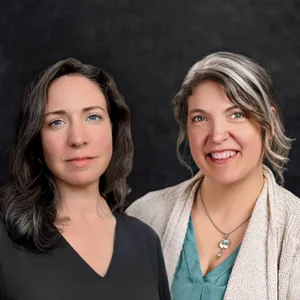
We Keep Tearing Out Perfectly Good Buildings — And Calling It Progress — Episode 158 with Lona Rerick and Jesce Walz
In this episode of Better Buildings for Humans, host Joe Menchefski welcomes Lona Rerick and Jesce Walz of Perkins&Will to explore regenerative design, circularity, and rethinking buildings and materials as valuable resources rather than disposable products. The conversation examines the shift away from construction’s traditional take-make-waste model, why usable materials are discarded during renovations, and the environmental impacts of interior fit-outs. They discuss the cultural and economic barriers to reuse and what it takes to challenge the preference for new materials. Drawing on Perkins&Will’s Circular Design Primer for Interiors, the discussion explores material longevity, creative reuse, deconstruction, refurbishment, bio-based materials, and designing for disassembly. It also highlights opportunities for architects, contractors, manufacturers, and entrepreneurs in a circular building economy. Ultimately, this episode challenges how we define waste and value, encouraging designers to see existing materials as opportunities and create buildings that benefit people, communities, and the environment long into the future. More About Lona Rerick and Jesce Walz Lona Rerick Lona Rerick is an Architect and Firmwide Director of Regenerative Design Materials at Perkins&Will. She leads the firm's efforts to select responsible materials supporting human health, climate health, ecosystem health, and social equity within a circular economy. Lona guides teams through material research, supply chains, and specifications while advocating for industry transformation. She serves on the mindful MATERIALS Board, the Living Future Material Health TAG, and co-leads the Portland Materials Transparency Collaborative. She also helped establish the AIA Materials Pledge and its reporting framework. Jesce Walz Jesce Walz is a Senior Research Lead at Perkins&Will, specializing in regenerative design, circular economy, and bio-based materials. With a background in architecture and landscape architecture, she collaborates with leading organizations advancing sustainable building practices. Within Perkins&Will's Research and Development Group, Jesce leads initiatives supporting ecologically responsible design. She authored the firm's Circular Design Primer for Interiors, led its embodied carbon benchmarking research, and co-authored publications on mass timber, embodied carbon, and innovative bio-based materials. CONTACT: https://perkinswill.com/ https://www.linkedin.com/in/lona-rerick/ https://www.linkedin.com/in/jesce/ https://linktr.ee/jmwalz Where To Find Us: https://bbfhpod.com https://www.advancedglazings.com/ https://www.linkedin.com/company/better-buildings-for-humans-podcast https://www.linkedin.com/company/advanced-glazings-ltd https://www.instagram.com/bbfhpod/ https://www.instagram.com/advancedglazingsltd https://www.facebook.com/AdvancedGlazingsltd
50 MIN