



Coaching Voices: The Association for Coaching Podcast
Association for Coaching
320: The Accidental Psychologist: Curiosity, Trust and Meeting People Where They Are with David Prince
NOV 9, 202645 MIN
Description
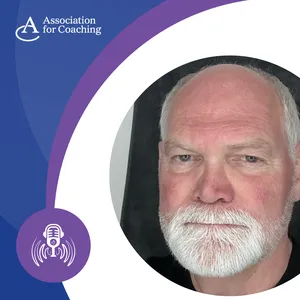
In episode 4 of our Psychology in Coaching series, host Lucy Whitehall talks with her longtime mentor David Prince about the psychology behind conversations that begin without ever being called coaching. With no formal psychology training, David describes himself as an "accidental psychologist", someone who has spent his career asking questions that help people hear themselves think. Even when confronted by a school bully, he found himself wondering what lay behind the boy's behaviour. That curiosity, and a habit of meeting people where they are, shaped his approach to everything from workplace conflict to union negotiations.
Drawing on real-life examples, David explores how psychology influences coaching practice through intuitive and experiential understanding of human behaviour. The conversation covers the role of curiosity and attentive listening, the importance of recognising when someone is ready for change, and how coaching-style dialogue can be used in HR, employee relations and workplace negotiations. David also reflects on asking courageous questions responsibly, empowering others to build confidence in their own judgement, and supporting leaders and organisations through complex issues and transitions.
The conversation is also candid about the limits of informal coaching, including the moment David realised an employee needed specialist help rather than more advice from him. It is a thoughtful discussion of intuition, professional boundaries, and the freedom to move between coaching, mentoring, training and simply listening.
You will learn:
· Curiosity and attentive listening help people meet their own thinking, often revealing the real issue beneath the stated one.
· Honest, compassionate conversations build trust and psychological safety, even in conflict-heavy settings like employee relations and negotiations.
· Courageous questions need to be handled responsibly, which includes recognising when someone needs specialist support rather than more advice.
"So rather than waiting for formal conversations to be put in the diary and to get to that stage, always have these conversations where we just met people where they are at sooner rather than later"
Don't forget to subscribe, rate, and leave us a review! Your feedback helps us bring you more valuable content.
For the episode resources and guest bio, please visit:
https://www.associationforcoaching.com/page/dl-hub_podcast-channel-psychology-in-coaching-curiosity-trust-coaching-conversations