Dear Professor: Where College Students Who Take Courses Online Speak Their Minds

Dr. Kellie Alston

Details

According to the National Center for Education Statistics and Education Dynamics, online college enrollment is on the rise. Before the pandemic, online learning programs were typically for people going back to school to augment or change their career or pursuing a graduate degree to enhance their career while they work. However, EducationDynamics found in 2023 that the largest share of students pursuing undergraduate or graduate degrees online is 35 or younger. That said, 35% of students pursuing online undergraduate degrees are between 19 and 23, and 42% of online graduate students are between 30 and 35. So, as more and more programs are offered online and there is a monumental increase in education technology advancements, we must distance learning right. The aim of this series is to help professors and students experience a more fulfilling online learning environment by allowing students to reveal their needs and pet peeves. My hope is that this information will support professors in making the necessary changes or adjustments in the design and delivery of their online courses which should ultimately enhance student success and satisfaction with distance education. So, if you are interested in hearing what students have to say about their lived experiences online, please hit that subscribe button and join us every Wednesday at 8 p.m. (ET) for lively, transparent conversations. Also, feel free to comment about anything said and ask questions.

Recent Episodes

NOV 12, 2026
Is Learning Just a Transaction? | Ms. Destiny Cumbo
ABOUT THE GUEST Destiny Cumbo is an undergraduate student pursuing a bachelor’s degree in Public Health with a concentration in Community Health. Her sustained experience with online learning began during her senior year of high school when the pandemic abruptly moved her education behind a screen. Warm, candid, and perceptive, Destiny offers a generational perspective on what helps online students remain engaged and connected to their learning. EPISODE SUMMARY What happens when the structure of an online course makes learning feel like a series of transactions? Destiny discusses how clustered deadlines, heavy workloads, disorganized modules, conflicting course information, vague instructions, and busywork affect the online learning experience. She explains why students need assignments paced thoughtfully and course content organized so they can focus on learning instead of searching for information or racing to submit everything at once. She also reflects on communication, grading, feedback, real-world relevance, and teaching presence. Through a “strong signal, weak signal, or lost connection” exercise, Destiny reveals how students interpret different course-design and communication choices. Her perspective challenges faculty to consider whether each element of an online course supports meaningful learning or simply keeps students completing tasks. KEY TAKEAWAYS • Workload and pacing influence whether students have time to engage deeply or merely submit assignments. • A well-organized course reduces confusion and helps students direct their energy toward learning. • Instructions, deadlines, grading practices, feedback, and professor communication should send consistent signals. • Strong grades and completed assignments can conceal an experience that felt transactional or unsupported. Thank you for listening, rating, sharing, commenting, and following! Website: kelliealston.com Email: [email protected] Are you interested in being a guest? Complete the recruitment form: https://bit.ly/dearprofessorguest A Resource for All College Faculty Before one demanding week blurs into the next, take time to notice what happened. When you are balancing teaching, grading, meetings, student needs, and everything else higher education requires, meaningful moments can easily get lost. The Professor’s Week in Review: A Journal for Weekly Reflections on the Higher Ed Experience gives you a dedicated space to process your experiences, recognize patterns, celebrate progress, and decide what you want to carry into the week ahead. Turn reflection into a weekly practice that supports you throughout the semester. Choose the format that works for you: Softcover Journal with Pen: https://bit.ly/thewirejournal Paperback on Amazon: https://amzn.to/40W4U4y Hardcover Journal: https://bit.ly/hardcoverwire Digital Fillable PDF: https://bit.ly/thefillablewire

20 MIN
NOV 9, 2026
The Dean Said, "Withdraw." | Remember the Time with Destiny Cumbo | Short Story
ABOUT THE GUEST Destiny Cumbo is a public health major at East Carolina University with a concentration in community health. A North Carolina native, she is passionate about supporting women, teen mothers, and families. Destiny plans to attend medical school and become an OB-GYN. Outside of her studies, she enjoys volunteering, traveling, and spending time with friends. EPISODE SUMMARY In “The Dean Said, ‘Withdraw,’” Destiny remembers an accelerated summer French course in which she and her classmates struggled to receive the timely guidance they needed. Their professor lived in another state and time zone, and responses to questions sometimes took several days. As deadlines continued to approach, Destiny and six classmates created a group text and coordinated their emails in hopes that someone would receive a response. When they contacted the dean for support, they were told that if they did not like the situation, they could withdraw from the course. The professor eventually responded, and Destiny completed the course with a high A. Still, the experience left her questioning why students who were working hard had to fight so persistently for basic communication and instructional support. KEY TAKEAWAYS • In accelerated online courses, delayed communication can quickly interfere with students’ ability to complete assignments and remain on track. • Instructor presence includes timely responses, clear guidance, feedback, and reassurance that students’ questions matter. • When students raise legitimate concerns, institutional leaders have an opportunity to listen, investigate, and advocate rather than dismiss their experiences. Thank you for listening, rating, sharing, commenting, and following! Website: https://kelliealston.com Email: [email protected] A RESOURCE FOR ALL COLLEGE FACULTY Before one demanding week blurs into the next, take time to notice what happened. When you are balancing teaching, grading, meetings, student needs, and everything else higher education requires, meaningful moments can easily get lost. The Professor’s Week in Review: A Journal for Weekly Reflections on the Higher Ed Experience gives you a dedicated space to process your experiences, recognize patterns, celebrate progress, and decide what you want to carry into the week ahead. Turn reflection into a weekly practice that supports you throughout the semester. CHOOSE THE FORMAT THAT WORKS FOR YOU: Softcover Journal with Pen: https://bit.ly/thewirejournal Paperback on Amazon: https://amzn.to/40W4U4y Hardcover Journal: https://bit.ly/hardcoverwire Digital Fillable PDF: https://bit.ly/thefillablewire

3 MIN
NOV 8, 2026
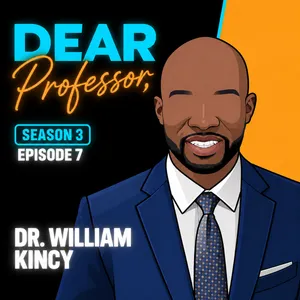
Faith, Leadership, and a Hybrid Doctoral Journey at a Christian University | Dr. William Kincy
About the Guest Dr. William Kincy is a higher education professional, husband, father of two, and doctoral graduate in Organizational Leadership. His online learning experience includes an accelerated asynchronous master’s course and a three-year hybrid doctoral program that combined live online classes with in-person weekends at a Christian university. Episode Summary What makes a hybrid doctoral experience worthy of a 9.5–10 rating? Dr. Kincy explains why instructor presence, a consistent cohort, and a “we’re all in this together” community made his doctorate especially meaningful. He contrasts that experience with the greater independence of asynchronous learning and reminds students that flexibility is not the same as ease. He also describes what he needs from an online course: clear expectations, dependable links, detailed directions, rubrics, deadlines, resources, timely communication, and purposeful use of synchronous time. During in-person weekends, leadership-focused Scripture opened classes and helped connect faith-based discussion with the study of leadership. Dr. Kincy also reflects on resilience, pursuing a doctorate after 40, and how the degree strengthened his voice at the table without defining the ability already within him. Key Takeaways Online and hybrid learning require discipline, commitment, and boundaries. Faculty presence and cohort connection can reduce isolation and strengthen belonging. Adult learners need transparent weekly workloads and clear course navigation. Synchronous class time should remain purposeful and respect students’ time. Shared faith can enrich academic conversation when students are free to discuss spiritual experiences. Reliable course mechanics and timely faculty responses prevent avoidable stress. Thank you for listening, rating, sharing, commenting, and following! Website: kelliealston.com Email: [email protected] A Resource for All College Faculty Before one demanding week blurs into the next, take time to notice what happened. When you are balancing teaching, grading, meetings, student needs, and everything else higher education requires, meaningful moments can easily get lost. The Professor’s Week in Review: A Journal for Weekly Reflections on the Higher Ed Experience gives you a dedicated space to process your experiences, recognize patterns, celebrate progress, and decide what you want to carry into the week ahead. Turn reflection into a weekly practice that supports you throughout the semester. Choose the format that works for you: Softcover Journal with Pen: https://bit.ly/thewirejournal Paperback on Amazon: https://amzn.to/40W4U4y Hardcover Journal: https://bit.ly/hardcoverwire Digital Fillable PDF: https://bit.ly/thefillablewire
40 MIN
NOV 2, 2026
The Class Moment That Gave a New Doctoral Student Confidence | Remember the Time with Dr. William Kincy | Short Story
What happens when the only response in a shared class document becomes the example for everyone? About the Guest Dr. William Kincy shares a memorable experience from early in his hybrid doctoral program. What began as a virtual class assignment became a moment that strengthened his confidence as a student. Episode Summary Will completed a root cause analysis in a shared document before class. When his professors opened the document, his was the only response. They used his work as an example throughout the discussion. Will did not like being in the spotlight, but he was relieved that he had followed the assignment’s structure and done it well. The experience helped him recognize that he had what it took to succeed in the program. Afterward, classmates reached out to ask for his help. Key Takeaways • The way professors recognize a student’s work can stay with that student long after class ends. • An unexpected moment of attention helped Will see his preparation and ability in a new light. • This story invites faculty to consider how they use student work as an example and how that experience may feel to the student. Thank you for listening, rating, sharing, commenting, and following! Website: https://kelliealston.com Email: [email protected] A Resource for All College Faculty Before one demanding week blurs into the next, take time to notice what happened. When you are balancing teaching, grading, meetings, student needs, and everything else higher education requires, meaningful moments can easily get lost. The Professor’s Week in Review: A Journal for Weekly Reflections on the Higher Ed Experience gives you a dedicated space to process your experiences, recognize patterns, celebrate progress, and decide what you want to carry into the week ahead. Turn reflection into a weekly practice that supports you throughout the semester. Choose the format that works for you: Softcover Journal with Pen: https://bit.ly/thewirejournal Paperback on Amazon: https://amzn.to/40W4U4y Hardcover Journal: https://bit.ly/hardcoverwire Digital Fillable PDF: https://bit.ly/thefillablewire
6 MIN
OCT 29, 2026
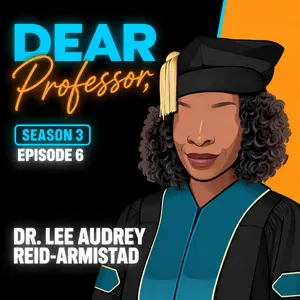
Graduate Degrees, Licensure, and the Career Reality No One Explained with Dr. Lee Audrey Reid-Armistad
Dear Professor — Season 3, Episode 6 Graduate Degrees, Licensure, and the Career Reality No One Explained What happens when earning a doctorate is a major personal achievement, but it doesn’t open the professional doors you expected? Dr. Kellie Alston explores that question with Dr. Lee Audrey Reid-Armistad through a candid conversation about online graduate learning, life responsibilities, and career preparation. ABOUT THE GUEST Dr. Lee Audrey Reid-Armistad is a retired U.S. Army veteran who served 23 years as a medical supply specialist. She earned a master’s degree in human behavior and a doctorate in human services online, and she is now pursuing a master’s in social work to work toward professional licensure. A mother, caregiver, and Veterans Crisis Line professional, she brings a distinctive perspective on service, persistence, and higher education. EPISODE SUMMARY Dr. Lee shares how military experience shaped her approach to online graduate school and how flexibility helped her manage family, work, and coursework. She praises responsive professors and a doctoral mentor who encouraged her to take a necessary break, but questions whether required group projects adequately accommodate working adult learners. She also reflects on the emotional adjustment after completing her doctorate and a career realization she wishes she had understood sooner: academic degrees and professional licensure serve different purposes. Her story raises important questions about mentorship, career advising, and how online programs prepare students for what comes after graduation. KEY TAKEAWAYS Timely communication, meaningful feedback, and professor presence make online learning feel less isolating. Group projects need thoughtful design and flexibility for students with demanding schedules. A supportive mentor can help students recognize when a break is necessary. Graduate degrees do not automatically fulfill licensure or clinical credential requirements. Clear career-pathway advising should begin before students finish their degrees. Thank you for listening, rating, sharing, commenting, and following! Website: https://kelliealston.com Email: [email protected] A Resource for All College Faculty Before one demanding week blurs into the next, take time to notice what happened. When you are balancing teaching, grading, meetings, student needs, and everything else higher education requires, meaningful moments can easily get lost. The Professor’s Week in Review: A Journal for Weekly Reflections on the Higher Ed Experience gives you a dedicated space to process your experiences, recognize patterns, celebrate progress, and decide what you want to carry into the week ahead. Turn reflection into a weekly practice that supports you throughout the semester. Choose the format that works for you: Softcover Journal with Pen: https://bit.ly/thewirejournal Paperback on Amazon: https://amzn.to/40W4U4y Hardcover Journal: https://bit.ly/hardcoverwire Digital Fillable PDF: https://bit.ly/thefillablewire
41 MIN