Deploying Autonomy on the Farm with Tyler Niday of Bonsai Robotics
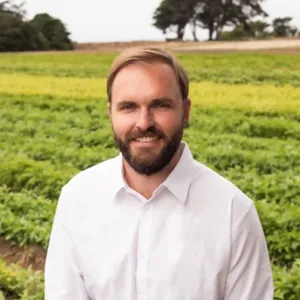
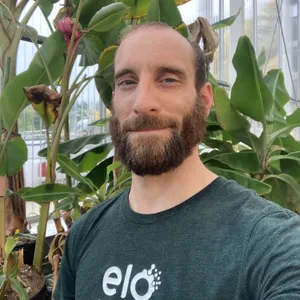
Bonsai Robotics: https://bonsairobotics.ai/ Over the past 10 years of doing this podcast, we’ve seen a lot of farm robotics companies come and go. And while it’s discouraging every time one of them closes its doors, enthusiasm for the space feels like it’s at an all time high. And I think that’s in large part, due to successful companies like Bonsai Robotics. “I think the key, the key piece to successfully deploying autonomy on these farms is that- A, is the farm set up for it, and does it actually make sense from an ROI perspective, right? Is it big enough ultimately to go run these 24/7 and not have to cross public roads? But also, right, like the other big thing is just the want from the people who are gonna run it, right? Do they want it? 'Cause like farmers, employees, you could say whatever, but if they want it and are interested in it, they're gonna find a way to, you know, make it work, especially in the early days. Whereas if they're opposed to it, right, especially if the product is good, there could be challenges there. So that's a big, like making sure it's coming from the bottom up and not top down is a pretty good feature. Like the, the bottom up has to want it to make it successful, even if it's a perfect product.” - Tyler Niday Bonsai founder and CEO Tyler Niday joins the show today to talk about the past, present and future of farm robotics, and his companies impressive inroads in specialty crops and beyond. In recent years, the ag robotics space has seen highs and lows, and what has emerged has been a handful of companies that are still showing some real promise, and they’ve developed a few hype men out there on social media platforms like LinkedIn. To be honest, the longer I cover the ag robotics space, the more guarded I am with my enthusiasm, but I find it extremely valuable to talk to people like today’s guest, Tyler Niday of Bonsai Robotics. Bonsai is doing some really interesting work to thoughtfully and practically bring autonomy to the industry. Bonsai builds vision AI first autonomous systems for outdoor equipment. They got their start in specialty crops, and have not only developed some real traction, they’ve started expanding beyond that part of the industry as well. He has worked in ag equipment and robotics his entire career after earning his bachelor’s at Cal Poly and Masters at MIT. He has worked at both a well established ag equipment company, Orchard Machinery Corporation or OMC. And he has worked at one of the most successful startups in the space, Blue River, before founding Bonsai. Today, Tyler and I cover a lot of aspects to Bonsai’s work and farm robotics generally. I particularly enjoyed Tyler’s thoughts on a transition going on right now from hardware to software in ag. And the three reasons he believes robotics are a huge enabler for this. Whether you’re an agtech founder, enthusiast, user or observer, I think there are some great insights in here for you.