


Future of Threat Intelligence
Team Cymru
Coroplast Group's Martin Berdel on selling security after leaving DORA behind
NOV 19, 202633 MIN
Description
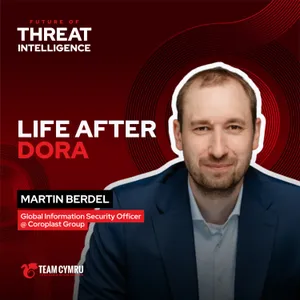
In our latest episode of the Future of Threat Intelligence podcast, Martin Berdel, Global Information Security Officer at Coroplast Group, shared insights on vendor risk, shadow AI in supply chains, and what changes when you leave heavy regulation behind and have to sell security on your own. After eight and a half years at AXA Germany under DORA, Martin now builds his security program from risk management up, reporting directly to the CFO at a family owned German automotive manufacturer.
Topics discussed:
How on site vendor assessments reveal the real scope behind certifications
Shadow AI risk when vendors add AI tools after your initial security review
Moving from DORA regulation to a lighter compliance environment
Building a security program from risk management when regulation is minimal
Reporting to the CFO instead of the CIO and framing security in financial terms
Merging physical and information security into one team
Zero trust implementation starting at the physical layer
Integrating security risk management into enterprise risk management
Key Takeaways:
Conduct on site assessments at critical suppliers to verify the real scope of their certifications rather than relying on questionnaires
Monitor vendors for post assessment changes, especially AI tool additions that may reroute your data to third party models without a new review
Start a new security program with risk management to identify the most critical risks before choosing controls
Frame security investments in financial terms when reporting to the CFO, speaking the language of business risk rather than technical risk
Integrate security risk management into the enterprise risk management framework so security risks sit alongside financial and operational risks
Merge physical and information security teams so both disciplines share methodology, weekly cadence, and reporting lines
Begin zero trust at the physical layer to build a visible, intuitive model before applying the same logic to networks and systems
Position security as a business partner rather than a compliance function, especially in lighter regulatory environments
Listen to More Episodes: YouTube • Apple • Spotify • Website