



Life in Cuba feels like a 'zombie movie'
NOV 17, 202621 MIN
Description
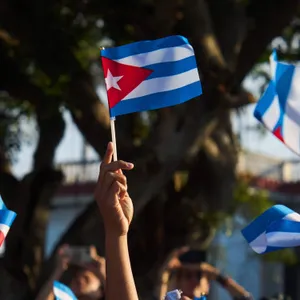
Cuba is plagued by chronic shortages of food, medicine and fuel, due in part to U.S. sanctions and a communist government committed to maintaining the status quo. NPR’s Eyder Peralta reflects on his most recent reporting trip to Cuba.
Then, Democratic Rep. Rosa DeLauro of Connecticut responds to the Trump administration’s request for $50 billion to repair the aging air traffic control system that malfunctioned last Friday.
And, from products like the Snoo Smart Bassinet and Apple’s AirTags to apps like Find My and Life360, today’s parents can track their children virtually 24/7, from the moment they’re born through adulthood. In her article “What Constant Surveillance Is Doing to Children” in The Atlantic, staff writer Sarah Zhang explores how constant surveillance can stunt children’s development and make parents overly anxious. Zhang talks about the effects of constant parental monitoring.
See pcm.adswizz.com for information about our collection and use of personal data for sponsorship and to manage your podcast sponsorship preferences.
NPR Privacy Policy