



Minds in Motion: The Scientist's Lens
Dr. Sharifan
The underlying environmental drivers, coastal community impacts, and hidden toxic dangers of the massive Sargassum "golden tides" inundating beaches across the Atlantic and Caribbean
OCT 7, 202626 MIN
Description
Send us Fan Mail
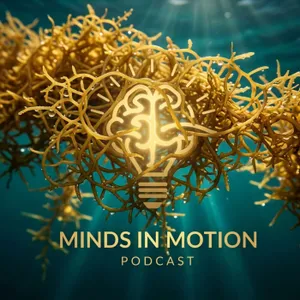
Since 2011, massive floating mats of pelagic Sargassum seaweed (Sargassum natans and Sargassum fluitans) have been piling up to 3 meters high along beaches from West Africa to Brazil, Central America, and the Caribbean. These colossal "golden tides" disrupt local coastal life by smothering seagrass beds, causing coral die-offs through low-oxygen events, disrupting fisheries, and inflicting over $210 million in annual cleanup costs on regional tourism economies.
This episode explores the complex environmental web fueling these unprecedented mega-blooms. Listeners will discover how massive nutrient injections from Amazon River floods, discharge from the Orinoco and Congo rivers, and coastal upwelling currents nourish these floating ecosystems across the equatorial Atlantic. Furthermore, the episode delves into how global warming and intense Atlantic hurricane seasons churn up deep-water nutrients and alter ocean circulation patterns to sustain these multi-million-ton seaweed drifts year after year.
Beyond the ecological and economic disruption, the podcast exposes the hidden toxic reality that prevents communities from easily turning this washed-up seaweed into profit. Sargassum acts as a biological sponge, actively bioaccumulating high levels of toxic total arsenic because its phosphate transporters mistake arsenate for essential nutrients. Additionally, drifting mats absorb land-based pesticides (such as chlordecone) and hydrocarbons from petroleum oil spills. The episode highlights why direct agricultural use as fertilizer or animal feed poses severe risks to crops, soils, and livestock, and explains why offshore harvesting of fresh algae before it hits land is critical to unlocking safe, sustainable solutions.
Support the show