


Moms Talk Autism Podcast
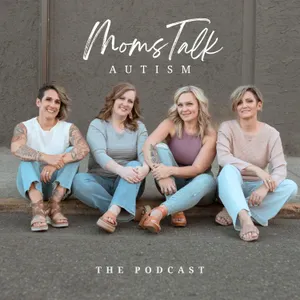
Shannon Korza, Brittney Crabtree, Tash Dillmon, and Jean Mayer
When “Picky Eating” Is Something More
NOV 16, 202645 MIN
Description
When does picky eating become something more?
This week, Brittney, Tash, and Shannon sit down with therapist Natalia Aiza to talk about ARFID—Avoidant Restrictive Food Intake Disorder—and why eating can become so complicated for neurodivergent kids.
Natalia breaks ARFID into three big areas: sensory differences, low interest in eating, and fear-based food avoidance.
We talk about safe foods, brand-specific foods, texture and temperature issues, low hunger cues, fear of choking or vomiting, checking expiration dates, and what it can look like when food starts to feel genuinely unsafe.
We also get into the parent side of it—how easy it is to accidentally turn meals into a battleground, why “they’ll eat when they’re hungry” isn’t always true, and how our own anxiety around food can influence our kids.
The biggest takeaway: being uncomfortable does not always mean being unsafe.
And sometimes helping our kids eat means understanding what’s underneath the refusal first.
Instagram: @letstalk.ocd
Website: www.kairoswellnesscollective.com
Books and other resources: https://nataliaaiza.com/
IOCDF.org
Dr. Eli Lebowitz
Breaking Free Books
Children’s Yale-Brown OC Scale (CYBOCS)
Hosted by Simplecast, an AdsWizz company. See pcm.adswizz.com for information about our collection and use of personal data for advertising.