


Lymphedema – Persistent Swelling in Arms or Legs: Dr. Silke Grummt on Symptoms, Causes, Treatment
OCT 8, 202616 MIN
Description
First Signs Easily Mistaken for Harmless Fluid Retention
Lymphedema occurs when lymphatic fluid accumulates in the tissues, causing persistent swelling that most commonly affects the arms or legs. Because the condition often develops gradually, the first signs can easily be overlooked. Swollen ankles, heavy legs or persistent fluid retention should therefore be medically evaluated rather than simply dismissed as harmless water retention.
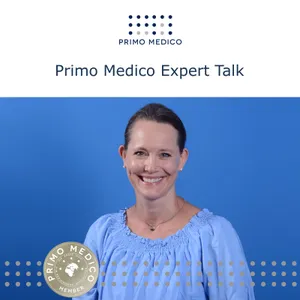
In this episode of the PRIMO MEDICO Expert Talk, Dr. Silke Grummt, Medical Director at the Wittlinger Therapy Centre – Lymphedema Clinic in Walchsee, Austria, explains how lymphatic fluid buildup develops, how it can be recognised and why early diagnosis and appropriate treatment are so important.
Dr. Grummt discusses the different forms and stages of lymphatic enemas and explains how the condition differs from lipoedema. She also addresses an important question for many patients: Can lymphoedema disappear on its own, or is lifelong treatment necessary?
A key focus of the conversation is Combined Decongestive Therapy (CDT). At the Wittlinger Therapy Centre (lymphology experts), treatment combines manual lymphatic drainage with compression therapy, exercise and appropriate skin care. The aim is to reduce swelling, support lymphatic drainage, prevent complications and help patients manage their condition successfully in everyday life.
Issues on Lymphoedema Covered in this Podcast Episode:
What is lymphoedema and how does it develop?
Where on the body can lymphoedema occur?
Typical early signs and symptoms of lymphoedema
Why persistent swelling should always be medically assessed
Primary and secondary lymphoedema
The difference between lymphoedema and lipoedema
Can fluid retention become dangerous?
How lymphoedema is diagnosed
Different stages of lymphoedema
Manual lymphatic drainage
Compression therapy and bandaging
Exercise and movement as part of treatment
Skin care and prevention of complications
Combined Decongestive Therapy (CDT)
Can lymphoedema be cured?
The importance of long-term treatment and self-management
This podcast episode in English was produced using AI-powered translation and dubbing technology (ElevenLabs Dubbing) based on the original recording. The content corresponds to the original interview. The AI voice has been used with the consent of the interviewee. No additional personal data has been processed.