



The Equestrian Connection
wehorse - The Online Riding Academy
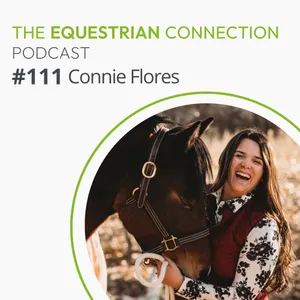
#111 Preparing for Your Horse’s Nutritional Needs during Winter with Connie Flores
OCT 11, 202644 MIN
Description
What changes need to be made and why
What should you check before winter, and what needs to change when cold weather arrives? Connie Flores shares a horse-first approach to seasonal feeding.
- Assess body condition: Understand why hard keepers and easy keepers may need different winter strategies, and monitor changes beneath blankets.
- Match feeding to workload: Prioritize forage and reassess concentrates when exercise decreases, while keeping vitamin and mineral needs in view.
- Check access—not just supply: Consider herd dynamics, hay station placement, shelter and whether your horse can comfortably use your hay-feeding system.
- Support hydration: Discuss water temperature, monitoring drinking habits and the role of daily salt, with adjustments based on the individual horse.
- Plan for seniors: Explore alternative forage forms when chewing or maintaining condition becomes difficult, with gradual dietary transitions.
- Rethink warm mashes: Connie discusses adding water to familiar feed rather than making sudden dietary changes during a cold snap.
- Know your horse’s normal behavior: Changes in appetite or drinking warrant attention; contact your veterinarian when concerned.
Connie previously joined the show in episode 56 to discuss nutrition basics. In this conversation, she also mentions a free body condition scoring guide on her website and individual nutrition consultations.