


The Neurodiversity Voices Podcast
The Neurodiversity Voices Podcast
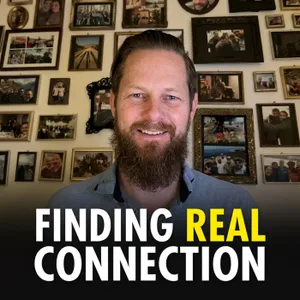
Finding Genuine Connection in Modern Life with Pieter Niemann
OCT 21, 202639 MIN
Description
What does it mean to be genuinely known by another person?
In this episode of The Neurodiversity Voices Podcast, Paul Cruz sits down with author Pieter Niemann for a thoughtful conversation about identity, autism, dating, loneliness, authenticity, and meaningful human connection.
Pieter is the author of Swiping for Something Real, a book about dating, connection, and the deeper questions people ask while looking for love. His writing grew out of recurring conversations with friends and others who kept returning to similar questions about relationships, identity, and belonging.
The conversation begins with Pieter’s belief that questions can sometimes be more powerful than answers. Rather than telling people how to live, he is interested in helping them examine their own thinking and arrive at answers that fit their own lives.
Pieter also reflects on receiving an autism diagnosis later in life. He explains how the diagnosis gave him language for earlier experiences involving communication, relationships, and belonging, while reinforcing his view that autism is an important part of who he is without defining his entire identity.
A central theme of the episode is the difference between being wanted and being known.
Pieter explores why attention, attraction, and validation can feel powerful without necessarily creating a genuine connection. Being known, he suggests, is slower and deeper. It involves curiosity, presence, shared experience, and a willingness to understand another person beyond the surface.
Paul and Pieter also discuss why people sometimes pursue relationship titles instead of relationships themselves, how loneliness can shape dating choices, and what genuine curiosity about another person looks like in practice.
The conversation then turns to authenticity. Pieter reflects on the difference between putting your best foot forward and performing a version of yourself to be liked. His example of pretending to enjoy hiking becomes a larger discussion about self-editing, acceptance, and the fear that our real selves may not be enough.
The episode also explores the difference between loneliness and solitude, why being single should not be treated as a waiting room, and what Neurodivergent perspectives can teach the wider world about clearer communication, self-acceptance, and relationships.
In this episode
Questions as a tool for self-exploration
Identity beyond labels
Receiving an autism diagnosis later in life
Self-compassion and understanding past experiences
Being wanted versus being known
Attention, validation, and genuine connection
Why do people sometimes chase relationship titles
Curiosity as the foundation of connection
Authenticity, performance, and self-editing
Loneliness versus solitude
Being single as a season rather than a waiting room
Neurodivergent communication and directness
Self-acceptance and relationships
About Swiping for Something Real
Pieter Niemann’s Swiping for Something Real explores dating, identity, connection, and the questions we ask ourselves while searching for love.
The book launches Thursday, October 22, at 18:00 Zurich time / 12:00 New York time.
This episode releases on October 21, one day before the launch.
Connect with Pieter
Website: pieterniemann.com
Book: Swiping for Something Real
Instagram: https://www.instagram.com/pieter_niemann_author
LinkedIn: https://www.linkedin.com/in/pieter-niemann
About The Neurodiversity Voices Podcast
We are now available to watch on Apple Podcasts. Watch now! Join us!
The Neurodiversity Voices Podcast amplifies real voices, real stories, and real impact through conversations about autism, ADHD, neurodiversity, accessibility, inclusion, advocacy, education, employment, and lived experience.
Hosted by Paul Cruz.
Website: www.neurodiversityvoices.com
LinkedIn • YouTube:
@neurodiversityvoicespodcast
Disclaimer: This podcast shares educational content and personal perspectives and is not a substitute for professional medical, psychological, legal, or other advice.
Hosted on Acast. See acast.com/privacy for more information.