


The Physical Cut
Krloz Ruben | The Physical Cut
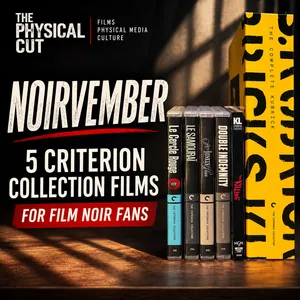
Noirvember: 5 Criterion Collection Films for Film Noir Fans
NOV 4, 202619 MIN
Description
Got something to say to this podcast? Send a voicemail, and you might hear yourself on the next episode!
Film noir is more than shadows, detectives, and femme fatales. It's about flawed characters, questionable decisions, obsession, betrayal, and the consequences that follow.
For Noirvember, Krloz brings five films from his collection to the conversation, exploring different sides of noir and crime cinema. From the foundations of classic Hollywood noir to Jean-Pierre Melville's distinctive French crime films, this selection offers a look at how filmmakers approach crime, morality, and human nature.
These aren't necessarily the five definitive noir films. They're five personal recommendations and, in some cases, stepping stones into a genre worth exploring further.
The five films featured:
Double Indemnity (1944) – Billy Wilder's classic tale of greed, manipulation, and terrible decisions, featuring an unforgettable performance by Barbara Stanwyck.
In a Lonely Place (1950) – Nicholas Ray's psychological character study starring Humphrey Bogart, exploring anger, isolation, and the darkness beneath the surface.
The Killing (1956) – Stanley Kubrick's meticulously constructed crime thriller, where an elaborate racetrack robbery encounters the unpredictability of human nature.
Le Samouraï (1967) – Jean-Pierre Melville's atmospheric French crime film starring Alain Delon as a contract killer governed by his own personal code.
Le Cercle Rouge (1970) – Melville returns to the criminal underworld with a carefully constructed story of loyalty, discipline, and an unforgettable jewel heist.
Along the way, we discuss what makes these films work, the performances and filmmaking that stood out, and how noir evolves from classic Hollywood to French crime cinema.
A few questions from this Noirvember conversation:
What makes Double Indemnity such an enduring blueprint for film noir?
Can we separate Dixon Steele's creative brilliance from the damage he inflicts on others?
Is The Killing ultimately about a robbery or the unpredictability of human behavior?
How much of Jef Costello's identity comes from his profession and personal code?
Does loyalty and integrity exist even in a world built around crime?
Follow The Physical Cut
Instagram: @thephysicalcutpod
Website: KR PodLab – https://krpodlab.com
The Physical Cut | Films | Physical Media | Culture