The Stigma Shift | Uncovering Mental Health with St John of God University Hospital

St John of God University Hospital Dublin

Details

A thoughtful, accessible podcast from St John of God University Hospital in Dublin that aims to demystify mental healthcare and reduce stigma through expert conversations and relatable content. With each episode you get practical insights in a friendly, non-clinical tone. Whether you're personally experiencing challenges, supporting a loved one, or simply interested in improving your wellbeing, our podcast offers fresh perspectives on topics including stress management, digital wellbeing, anxiety, imposter syndrome, and more.appl

Recent Episodes

NOV 2, 2026
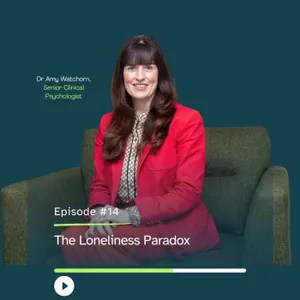
The Loneliness Paradox
Loneliness often masquerades as anxiety or burnout, hiding beneath the surface of a busy life. This episode examines the Loneliness Paradox, a state where individuals feel disconnected despite being surrounded by friends, colleagues, and social networks. We explore the psychological layers of this experience and practical strategies to bridge the gap between being alone and feeling lonely. Joining us is Dr. Amy Watchorn, senior clinical psychologist at St. John of God University Hospital. With extensive experience supporting adults through complex mental health difficulties, Dr. Watchorn brings deep clinical insight into how we perceive social support versus reality. She shares expert guidance on shifting from isolation toward meaningful, sustainable connections. THINGS WE SPOKE ABOUT Defining the psychological experience of the Loneliness Paradox. Why technology can exacerbate feelings of social isolation. Distinguishing between solitude and subjective loneliness. The impact of social connection on preventing relapse. Practical steps to build meaningful social engagement. GUEST DETAILS Dr. Amy Watchorn is a senior clinical psychologist at St. John of God University Hospital, specializing in complex psychological assessment and therapeutic modalities like CBT, DBT, and Schema Therapy. She is a recognized researcher on the relationship between stigma and addiction, an adjunct assistant professor in the UCD School of Psychology, and a lecturer at Trinity College Dublin. Her expertise lies in supporting individuals through dual diagnosis and complex mental health challenges. MORE INFORMATION To find out more about the work of the St John of God University Hospital visit stjohnofgodhospital.ie QUOTES We know that for people who join one social group where they feel engaged with it, that can reduce their relapse of depression by about 70%. - Dr. Amy Watchorn There is a disconnect for someone between what they perceive to have in terms of social support and what they believe they should have. - Dr. Amy Watchorn Solitude is being alone, but being comfortable with that, and there's a lot of people who are socially isolated from an objective point of view, but actually are totally okay with that. - Dr. Amy Watchorn KEYWORDS #Loneliness#SocialConnection#MentalHealth#ClinicalPsychology#StigmaShift
41 MIN
OCT 5, 2026
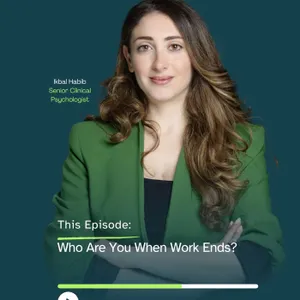
Who Are You When Work Ends?
Financial planning dominates retirement discussions but the psychological reality of leaving work remains largely ignored. This sudden shift often dismantles a lifetime of professional identity and daily structure. Rebuilding a meaningful life requires understanding the emotional challenges and hidden losses of this major transition. This discussion explores how to navigate identity shifts, renegotiate relationships, and adapt to physical limitations. Saint John of God University Hospital clinical psychologist Ikbal Habib joins the platform to share expert therapeutic insights. Ikbal Habib brings over ten years of clinical experience in supporting adults through critical life transitions, loss, and psychological adaptation. THINGS WE SPOKE ABOUT The psychological impact of losing professional identity after retirement Why work provides essential structure challenge and recognition daily Finding small personal areas of purpose instead of grand missions Normalising grief as a healthy response to ending a career Practical methods for adapting to physical and cognitive limitations GUEST DETAILS Ikbal Habib serves as a chartered senior clinical psychologist at Saint John of God University Hospital. She supports adults navigating emotional difficulties, major life transitions, and the adaptation process of aging. Her expert practice utilises evidence-based cognitive, behavioural, and compassion-focused therapies. MORE INFORMATION To find out more about the work of the St John of God University Hospital visit stjohnofgodhospital.ie QUOTES Retirement gives us the opportunity to ask a slightly different question, and rather than "What do I want to be?" maybe it becomes "Who do I want to be?" - Ikbal Habib You don't have to retire on Friday and wake up on Monday knowing exactly what the next chapter of your life is going to mean. - Ikbal Habib Adapting to limitations isn't only about replacing what we've lost; it's also about recognising that while something valuable may have been taken away, there may also be unexpected benefits and opportunities in the new reality we are learning to live with - Ikbal Habib KEYWORDS #PsychologyOfRetirement#TransitionToRetirement#FindingPurposeInRetirement #RelationshipsAfterRetirement
41 MIN
AUG 10, 2026
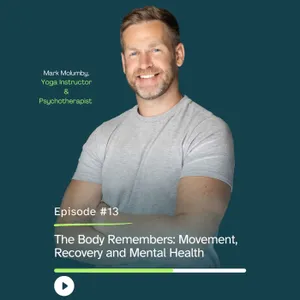
The Body Remembers: Movement, Recovery and Mental Health
Mental health recovery requires more than just talking through your thoughts. Many individuals experience burnout or trauma that remains trapped physically, creating a disconnect between the mind and the body. Relying solely on cognitive therapy often fails to address the underlying physiological state of the nervous system. We explore how movement and embodied practices support recovery. You will learn how to shift from overactivation to rest through simple, consistent physical routines that build trust within your own system. We are joined by Mark Molumby, a personal trainer, yoga instructor, and psychotherapist at St John of God University Hospital. Mark shares his unique, clinically-tested approach to integrating somatic practice within inpatient mental health care. THINGS WE SPOKE ABOUT Personal journey from computer applications to clinical psychotherapy Why distress manifests physically as stress or trauma Explaining relaxation anxiety and chronic nervous system vigilance How inpatient yoga offers gentle, choice-based recovery Practical wall angels exercise for better posture and regulation GUEST DETAILS Mark Molumby is a personal trainer, yoga instructor, and psychotherapist working at St John of God University Hospital. He integrates physical practice with clinical mental health recovery. He specialises in nervous system regulation and inpatient group facilitation. MORE INFORMATION To find out more about the work of the St John of God University Hospital visit stjohnofgodhospital.ie QUOTES If you don't keep switched on and guarded, then everything is going to fall apart. - Mark Molumby Top-down is the one that most people are familiar with, which is that we talk about our problems. - Mark Molumby The body starts to recognise the difference between mental stress and real felt stress. - Mark Molumby KEYWORDS #SomaticHealingForAnxiety#NervousSystemRegulation#InpatientYogaRecovery#BodyMindConnection
36 MIN
JUL 6, 2026
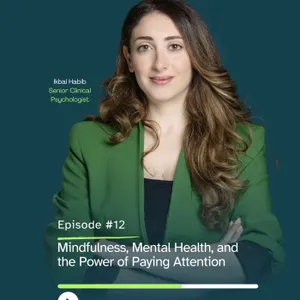
Mindfulness, Mental Health, and the Power of Paying Attention
Constant distraction, unrelenting deadlines, and the persistent hum of burnout make life feel like a never-ending race. Many of us navigate our days on autopilot, missing the richness of the present moment and struggling to quiet a busy mind. True relief is not found in escape, but in tuning into the reality of the here and now through clinical and compassionate mindfulness. We explore how mindfulness works beyond the apps to provide evidence-based support for stress, anxiety, and emotional resilience. We discuss how to use presence as a tool to manage emotions and build meaningful insights. Joining us is Dr. Ikbal Habib, a Senior Clinical Psychologist at St. John of God University Hospital. With extensive training in cognitive behavioural and dialectical behaviour therapy, Dr. Habib helps us understand how presence and attention are foundational tools for thriving in modern life. THINGS WE SPOKE ABOUT Defining role of clinical psychologist Why mindfulness is often misunderstood Mindfulness origins and clinical definition Distinguishing mindfulness from relaxation techniques Integrating mindfulness into everyday life GUEST DETAILS Ikbal Habib is a Senior Clinical Psychologist at St. John of God University Hospital. She is a licensed clinical psychologist in Ireland, Lebanon, and the UAE. She specialises in Cognitive and Behavioural Therapy and Dialectical Behaviour Therapy. Her work focuses on equipping patients with evidence-based tools to build resilience and meaningful life paths. MORE INFORMATION To find out more about the work of the St John of God University Hospital visit stjohnofgodhospital.ie QUOTES Mindfulness is less about doing it right and more about showing up with awareness, with compassion, and with non-judgment. - Ikbal Habib. Mindfulness is not about achieving a certain state, but it's about being with whatever is happening in the moment without needing it to be different. - Ikbal Habib. Mindfulness is not to change who you are, but to help you connect better with what's already there. - Ikbal Habib KEYWORDS #MindfulLiving #MentalHealthMatters #ClinicalPsychology #StressManagement #EvidenceBasedCare
38 MIN
JUN 1, 2026
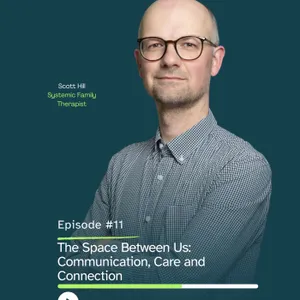
The Space Between Us: Communication, Care and Connection
Navigating modern relationships feels like constantly running on empty. Everyday pressures, stress, and misunderstandings quietly shape the dynamic between us, often leading to communication breakdown and conflict. Systemic Family Therapist Scott Hill uncovers how to shift from individual blame to understanding relational patterns. He reveals the hidden emotional needs beneath arguments and how to reconnect when exhaustion turns a supportive role into strain. This episode provides actionable insights to strengthen communication and find the courage to be vulnerable in your closest relationships. Scott Hill is a practising Social Worker with two decades of experience in mental health. As a Systemic Couple and Family Therapist at St John of God University Hospital, he specialises in helping families and couples strengthen communication and improve relationships. THINGS WE SPOKE ABOUT Creating new, generative conversations Looking at relational patterns, not individuals Vulnerability underlies all relationship conflict How stress changes brain communication Courage is needed to be vulnerable GUEST DETAILS Scott Hill is a Systemic Family Therapist currently working at St John of God University Hospital. He has 19 years of experience as a practising Social Worker in mental health, focusing on the addiction team and adolescent mental health service. He qualified as a Systemic Family Therapist five years ago and passionately believes that healthy relationships can help people manage whatever life presents. MORE INFORMATION To find out more about the work of the St John of God University Hospital visit stjohnofgodhospital.ie QUOTES I always know I'm doing an okay job when a family member, a couple, might say, I never knew that, I never heard that before, you never said that to me, I didn't realise. - Scott Hill My job in the therapy space, to sum it all up, is to create a kind of an experience, a different type of conversation, really, that brings a bit of difference and a bit of hope and a bit of life. - Scott Hill My client, my patient is the relationship, or my client is the family." - Scott Hill KEYWORDS #FamilyTherapy #HealthyRelationships #ActiveListening #MentalSupport #RelationalPatterns

51 MIN