


Vijayanagara's Stone Calendar: Timekeeping in Hampi
OCT 10, 20267 MIN

Description
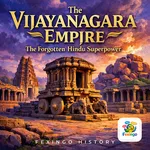
The Vijayanagara Empire is often remembered for its wars and temple construction, but its engineers also mastered the science of time. In this episode, we explore the sophisticated astronomical observatories hidden within the Hampi ruins, specifically the Ugra Narasimha Jyotishalaya. Unlike simple sundials, these structures were precision instruments designed to track solar movement, lunar cycles, and planetary positions with remarkable accuracy for their era. We examine how the court astronomers, led by figures like Pundarika Vitthala, developed the Siddhanta Shiromani, a text that revolutionized mathematical astronomy in South Asia. The conversation delves into the specific mechanics of the stone calendar, including the use of gnomons and shadow tracks etched into granite, which allowed priests to determine auspicious dates for royal ceremonies and agricultural festivals. We also look at how these celestial calculations were integrated into daily life, from planting seasons to religious observances, revealing a society where astronomy was not just abstract science but a vital administrative tool. By stepping through the archways and tracing the lines on the rocks, we uncover how Vijayanagara rulers used the stars to legitimize their power and maintain cosmic order.
#VijayanagaraEmpire #HampiRuins #UgraNarasimhaJyotishalaya #PundarikaVitthala #SiddhantaShiromani #SouthAsianAstronomy #StoneCalendar #Amaravati #TuluvaDynasty #Krishnadevaraya #TempleEngineering #IndianMathematics #Gnomon #SolarObservatory #DeccanHistory #AncientTimekeeping #CosmicOrder #FexingoHistory #History
Keep every episode free: buymeacoffee.com/fexingo