Dirty Bombs and the Warning America Faced Twenty Years Earlier
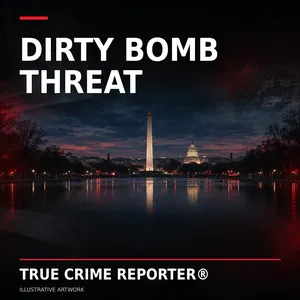
A radioactive dirty bomb detonates in the heart of Washington, D.C. The explosion may kill only a handful of people. But the invisible radioactive contamination could force thousands to flee, shut down government buildings, and leave parts of the nation’s capital uninhabitable for years. Now, American intelligence agencies are investigating reports that Iran may be preparing to turn that nightmare into reality. On November 16, CNN reported that U.S. intelligence had uncovered possible Iranian plans to target senior Trump administration officials with a radioactive dirty bomb or chemical weapon in Washington. According to the report, the intelligence identified specific locations and potential targets. Intercepted communications also raised the disturbing possibility that bomb-making materials had already been hidden inside the United States. But the intelligence remains disputed. The White House says there are no credible threats to the homeland. Secretary of State Marco Rubio says there is no indication of an imminent attack. Iran denies the allegations. Yet the warnings have triggered contingency planning in Washington. And the security concerns are serious enough that Treasury Secretary Scott Bessent has moved from his private residence to a military installation following reported Iranian threats against his life. For me, these developments bring back an investigation I conducted exactly twenty years ago. In November 2006, I went inside the FBI Academy at Quantico, Virginia, where specialized teams were training to confront a form of terrorism that could paralyze an American city without a nuclear explosion. I also interviewed nuclear security experts and scientists studying the radioactive wasteland surrounding Chernobyl. An accident at the nuclear power station Chernobyl, Ukraine, located in the former Soviet Union, and the fire that followed released massive amounts of radioactive material into the environment. The Soviets did not warn cities in countries downwind, setting off an international crisis. What I discovered was deeply troubling. America had developed sophisticated equipment to detect radioactive threats. But serious questions remained about its ability to contain contamination, evacuate civilians, and prevent public panic. One scientist warned me that the greatest danger might come from something people cannot see, smell, or taste. Twenty years later, the question is no longer simply whether terrorists could build a dirty bomb. It’s whether America has learned enough from the warnings of the past to survive the consequences of an attack. This is True Crime Reporter®. I’m Robert Riggs. These are stories ripped from my reporter’s notebook. In this episode, I reopen my original investigation: